




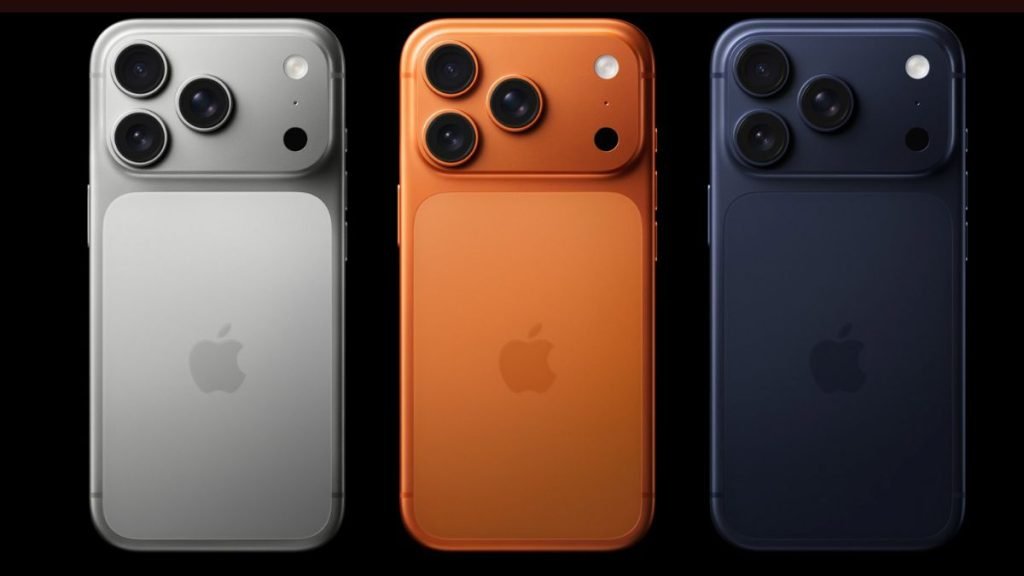
Apple’s outgoing chief executive Tim Cook has said the company will have to raise product prices because of rising costs linked to the ongoing memory crisis, a move that could also make iPhones and other Apple devices more expensive in Pakistan.
In an interview with The Wall Street Journal, Mr Cook said price increases had become unavoidable despite the company’s efforts to absorb some of the cost pressures.
“We’re doing our best to mitigate the huge increases that are being passed to us, and we’ve been trying to shield our customers from the increases, but the situation has become unsustainable,” he said.
Although Mr Cook did not specify the scale of the increase or when it would take effect, his remarks suggest that Apple’s upcoming products, including the expected iPhone 18 lineup, may carry higher price tags than their predecessors.
Any increase in international prices is also likely to affect consumers in Pakistan, where Apple does not have an official local presence and therefore does not offer region-specific pricing advantages.
This contrasts with some other global smartphone makers that are able to adjust pricing in Pakistan through official operations and local assembly.
Apple’s future MacBooks and iPads unveiled later this year could also become more expensive, while existing products may see price revisions as component shortages continue to weigh on the broader technology sector.
Explaining the pressure on costs, Mr Cook said supply had tightened at a time of strong consumer demand, while memory suppliers were passing on sharp price increases to manufacturers.
“There’s less supply at a time when consumers want devices and the memory guys are passing along huge price increases. We definitely need memory pricing and supply to return to reasonable levels for consumer products. That’s the bottom line,” he said.
Mr Cook described the situation as unprecedented in his decades-long career, saying he had never seen anything like it in over 40 years.
Apple is not alone in facing these pressures. Other technology companies, including Samsung, HP, Microsoft, Nintendo and Valve, have also recently pointed to rising memory costs and strong demand as major challenges.