



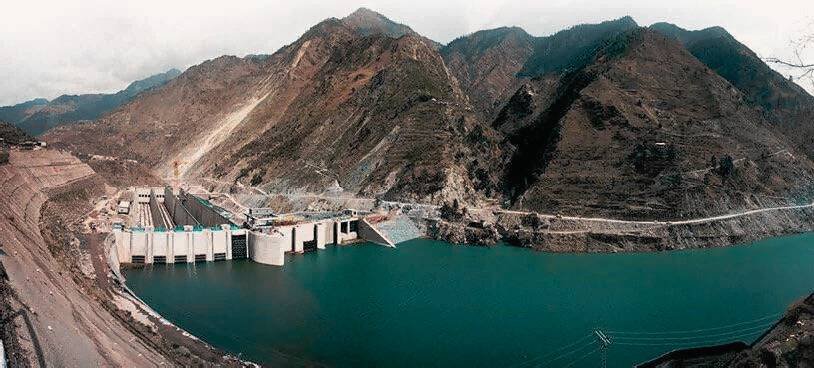
The Auditor General of Pakistan has found that the Neelum-Jhelum Hydropower Project suffered losses exceeding Rs128 billion during fiscal year 2024-25, as prolonged shutdowns, tunnel collapses, rising debt, and operational failures continued to erode the project’s financial viability.
According to the audit report, the 969-megawatt hydropower project posted net losses of Rs29.41 billion during the fiscal year. In addition, business interruption losses were estimated at Rs99.18 billion after the powerhouse remained shut following the collapse of the tailrace tunnel in 2022 and the headrace tunnel in May 2024.
The audit said inquiries into both tunnel collapses are still incomplete, while project management failed to address technical defects, renew key insurance coverage, or secure compensation for losses caused by the structural failures. It added that assets worth Rs267 billion remained uninsured during the review period.
The report further noted that the project has not met its annual electricity generation target of 5,150 gigawatt hours in any year since it was commissioned, including periods when the plant was fully operational. It also said the absence of a reference tariff approved by Nepra led to an estimated regulatory revenue shortfall of Rs77.35 billion.
According to the audit findings, the project’s financial condition worsened significantly by June 30, 2025. Current liabilities exceeded current assets by Rs307.89 billion, largely due to debt repayment defaults and the reclassification of long-term loans as current liabilities.
The AGP also found that the project has been unable to recover its investment within the planned payback period. By the end of FY2024-25, it had recovered only Rs180.17 billion against an approved project cost of Rs418.89 billion.
The report said around 69 percent of receivables were overdue by more than 120 days, pointing to weak financial management and growing cash flow pressures.
The audit concluded that continued underperformance in electricity generation, extended outages, delayed tariff approvals, mounting debt, and poor risk management have prevented the Neelum-Jhelum Hydropower Project from meeting its financial and operational objectives.