




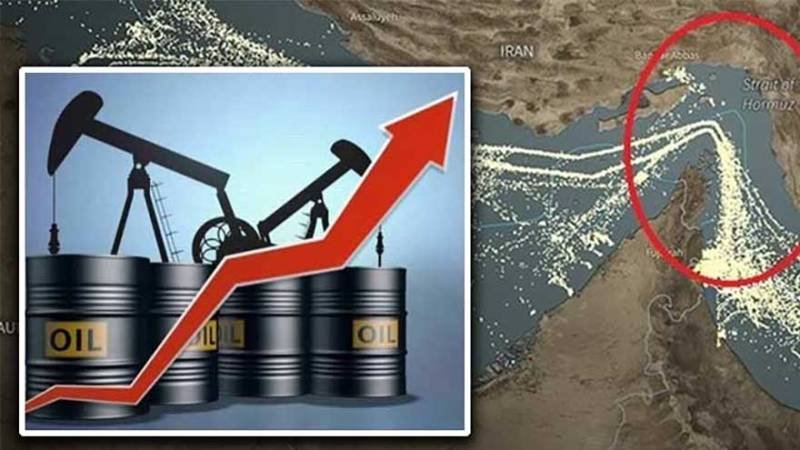
The government has revived a proposal to impose a windfall gains tax on oil companies that earned extraordinary profits from higher petroleum prices during the US-Iran War, with a target of collecting at least Rs. 25 billion from the sector.
The proposal is part of Pakistan’s commitment to the International Monetary Fund (IMF), but disagreements between tax authorities and the Petroleum Division continue to delay a decision.
The Federal Board of Revenue (FBR) is reviewing financial statements for March, June and September to determine the companies’ windfall profits. According to The Express Tribune, the tax authority is leaning toward using financial results for the quarter ended September, while the Petroleum Division favors using June-end accounts.
Finance Minister Chairs Meeting, No Decision
Finance Minister Muhammad Aurangzeb chaired a meeting this week to finalize the proposal, but differences over several issues prevented a decision.
The government has assured the IMF that it will collect Rs. 25 billion through the proposed tax. A senior official said failure to impose it could force the government to introduce other revenue measures to meet its commitment.
The IMF has reportedly taken a relatively softer position this time, overlooking several important program conditions, including the full deregulation of the sugar sector and measures to tax the retail and real estate sectors.
FBR Faces Rs. 95 Billion Revenue Shortfall
The FBR is already facing a revenue shortfall of Rs. 95 billion, which could widen if it significantly misses its November collection target of Rs. 1.08 trillion.
The government can impose the windfall tax through a statutory regulatory order (SRO), without issuing a presidential ordinance or introducing legislation in the National Assembly.
Parliament has already authorized the federal bureaucracy to impose the tax on oil refineries and marketing companies. The measure would also not require an amendment to the Income Tax Ordinance.
Under the law, additional tax can be imposed for tax year 2023 and subsequent years on income, profits or benefits earned over the preceding three tax years as a result of extraordinary economic factors.
This would be in addition to taxes already imposed or payable under the existing tax framework.
Four Refineries Report Rs. 90 Billion in Quarterly Profits
Tax authorities say four listed refineries, Pakistan Refinery Limited, National Refinery Limited, Attock Refinery Limited and Cnergyico, reported combined profits of Rs. 90 billion in the first quarter of the current fiscal year.
They view these earnings as a continuation of the recovery that began in the previous financial year and want the profits to be considered for the proposed tax.
Petroleum Division Disagrees
The Petroleum Division disagrees with the proposal and maintains that financial statements for the quarter ended June should be used.
Tax officials argue that the companies reported inventory losses between April and June to avoid the windfall tax. They acknowledged that the practice was not illegal but insisted that the assessment should account for the net realizable value of inventory.
Pakistan State Oil (PSO) reported a gross loss of Rs. 33.7 billion in the fourth quarter of the previous financial year, bringing its full-year gross profit down to Rs. 100 billion.
The quarterly loss also resulted in a post-tax loss of Rs. 23 billion, reducing the company’s post-tax profit for the full year to Rs. 15 billion.
As a result, PSO legally avoided the proposed windfall gains tax.