



The government has increased Pakistan’s wheat import ceiling from 1 million tonnes to 2.5 million tonnes for the 2026-27 food year as wheat and flour prices continue to rise.
The Economic Coordination Committee (ECC), chaired by Finance Minister Muhammad Aurangzeb, approved the increase in principle on Friday. The decision will now be submitted to the federal cabinet for ratification.
According to the Finance Division, provincial governments have revised their combined wheat import requirements to approximately 1.7 million tonnes, up from an earlier estimate of 550,000 tonnes.
Punjab has requested 950,000 tonnes, while Sindh has sought 450,000 tonnes, subject to confirmation. Khyber Pakhtunkhwa requires 300,000 tonnes, while Balochistan’s needs will be met through available PASSCO stocks.
The ECC approved a 2.5-million-tonne ceiling to give the government additional flexibility to meet provincial requirements and address potential shortages. However, the actual quantity imported will depend on confirmed provincial demand and prevailing market conditions.
Under the approved arrangement, provincial governments will bear the entire cost of imported wheat, including procurement, freight, insurance, transportation, port charges, taxes and duties. They will also have to confirm their requirements in writing and arrange advance payments or banking facilities.
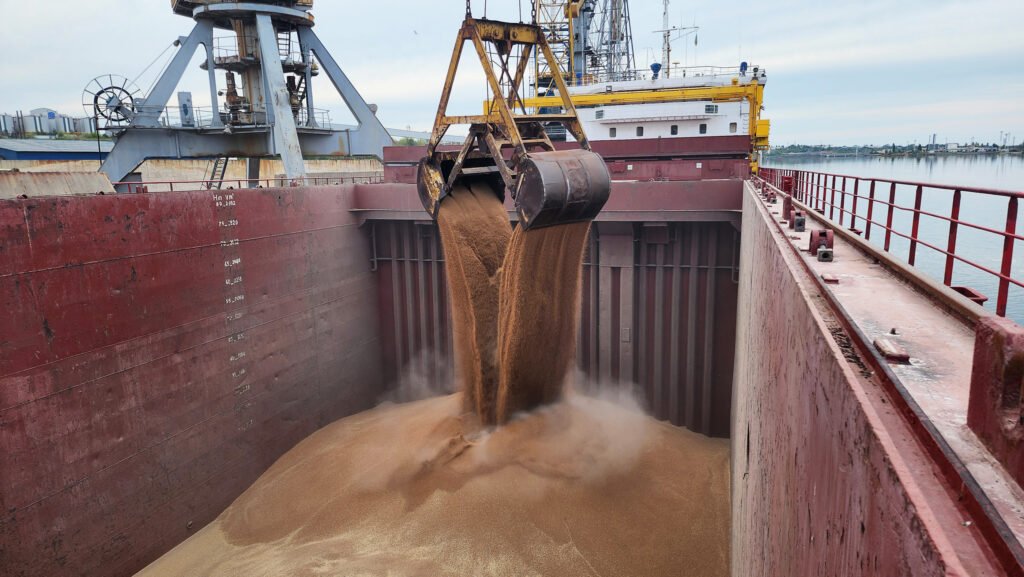
The ECC has also approved priority berthing for wheat-carrying vessels at relevant ports to speed up shipments and reduce additional costs.
The Ministry of National Food Security and Research will oversee the programme’s day-to-day implementation, while a steering committee headed by the Deputy Prime Minister will supervise the overall process. Any major operational issues will be referred to the Prime Minister’s Office for immediate intervention.
Finance Minister Muhammad Aurangzeb directed the relevant authorities to coordinate their efforts, manage available wheat stocks and ensure adequate supplies to control prices. He also called for action against speculation and market manipulation to ensure consumers benefit from the additional supplies.