



Pakistan may have to spend around $2 billion on cotton imports in 2026-27 as local production is expected to fall sharply below the needs of the country’s textile industry.
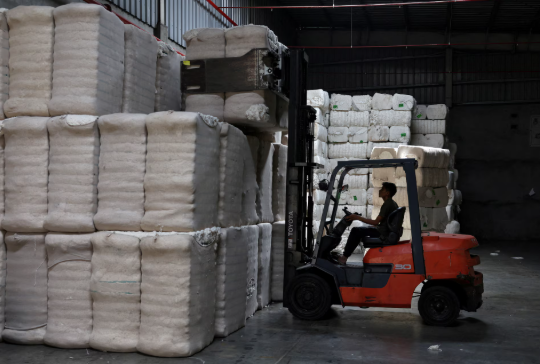
The warning comes as cotton production is projected at only 4.9 million bales, compared with a government target of 9.6 million bales. The domestic spinning industry requires around 10 million bales each year.
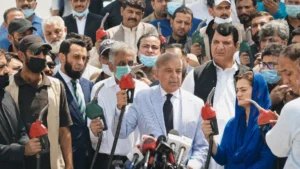
According to FPCCI Policy Advisory Board Chairman Mian Zahid Hussain, Pakistan could therefore need to import more than 5 million bales to cover the shortfall. He estimated the cost of these imports at around $2 billion, equivalent to approximately Rs600 billion.
The shortage would mean Pakistan spends a large amount of foreign exchange on cotton that could otherwise have been produced by local farmers. Hussain said this would put additional pressure on the country’s foreign exchange reserves while reducing income opportunities for domestic farmers.
Pakistan’s cotton output has already declined significantly in recent years. Production was around 7 million bales in FY2023-24 before falling to 5 million bales in FY2024-25. It stood at around 5.6 million bales in FY2025-26, while cotton imports reached about 6 million bales.
Hussain said the decline has been driven largely by a reduction in the area under cotton cultivation, which has fallen by around 33 percent over the past decade.
He also highlighted high energy costs as a major challenge for Pakistan’s ginning, spinning and textile industries. He said industries in neighboring countries are receiving electricity at around 8 cents per unit, compared with around 14 cents in Pakistan.
Hussain backed demands from cotton ginners for urgent government action, including moving sugar mills located in cotton-growing areas and removing sales taxes on cotton and related products such as cottonseed and cottonseed cake.
He also called for the removal of fixed taxes included in electricity bills and full implementation of the Cotton Control Act.
The FPCCI official further urged the government to launch the proposed “Grow Cotton, Save Economy” campaign and give the ginning sector industrial status so it can receive electricity and gas at competitive industrial rates.
He warned that failure to revive cotton production and provide farmers with climate-resilient seeds could further weaken Pakistan’s position in international textile markets and lead to greater pressure on employment.