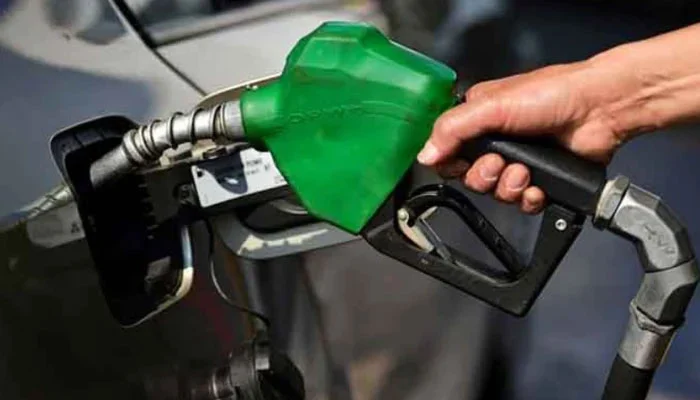
Global crude oil prices have dropped sharply, with Brent crude falling below $100 per barrel, but Pakistani consumers are still not seeing the relief they would expect at petrol stations.
Brent crude was trading at around $99.70 per barrel, while West Texas Intermediate (WTI) was near $91. Murban crude was around $114 per barrel.
The fall comes as markets closely watch the possibility of progress in talks between the United States and Iran. Any progress could reduce concerns about further supply disruptions in the Middle East.
Oil prices, however, turned higher on Tuesday after several sessions of losses as traders waited for developments at the United Nations General Assembly.
Market analysts said the latest recovery may not mean that oil prices are heading higher again.
KCM Trade Chief Market Analyst Tim Waterer said the move could be a short-covering bounce, with traders who had bet on falling oil prices closing some of their positions while they wait for clearer signals on US-Iran diplomacy.
ING analysts also said oil traders remain cautious but generally bullish. They noted that speculative investors increased their Brent long positions to 282,657 contracts in the week ending September 15, the highest level since May.
The increase was largely linked to concerns about possible supply disruptions in the Middle East.
The Group of Seven (G7) foreign ministers have also urged Iran to stop supporting Yemen’s Houthis, following a rise in attacks on Saudi energy and civil infrastructure.
For Pakistan, the issue is now much simpler: global oil is falling, so when will local petrol prices follow?
The answer is not as simple because petrol prices in Pakistan are also affected by the exchange rate, petroleum levy, taxes, freight costs and other charges.
Still, Brent trading around or below $100 and WTI near $91 gives Pakistani consumers a clear reason to watch the next petrol price revision.
Crude has come down. Now everyone is waiting to see whether petrol prices finally get the message.