




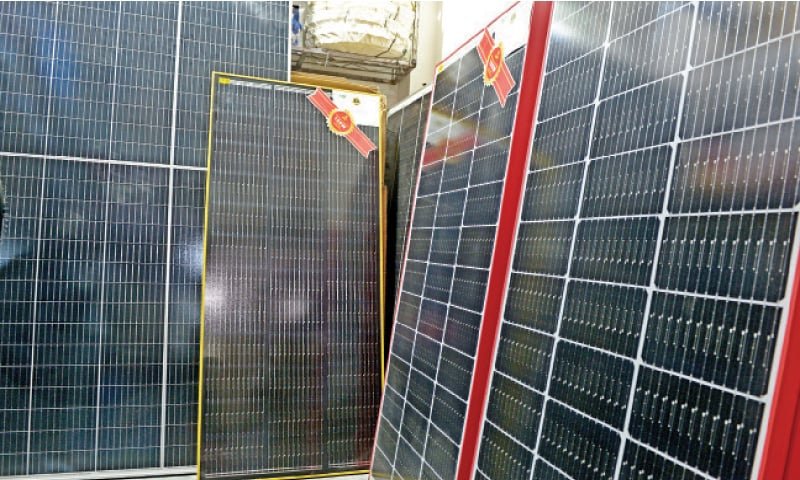
A typical 10-kilowatt rooftop solar system in Pakistan can recover its initial investment within 2.5 to 4 years, as high electricity tariffs continue to push households toward solar and off-grid power solutions.
A 10kW system can generate approximately 1,200 to 1,500 units of electricity per month, depending on location, weather, and seasonal conditions. For households with high electricity consumption, this can substantially reduce reliance on grid power.
At electricity rates of around Rs45 to Rs60 per unit, a household could potentially save Rs50,000 to Rs90,000 per month by consuming solar-generated electricity. Additional financial benefits may come from surplus electricity supplied to the grid, although returns depend on prevailing regulatory arrangements.
For example, a household consuming around 1,200 units per month and generating 1,400 units could potentially send roughly 400 units to the grid after meeting its own consumption. Under applicable arrangements, the combined value of reduced grid purchases and exported electricity could reach around Rs55,000 to Rs60,000 per month.
The current cost of installing a 10kW solar system is estimated at Rs1.5 million to Rs2.2 million, depending on the quality of panels, inverters, batteries, and installation. Based on industry estimates, a system operating for 20 to 25 years could generate cumulative savings of Rs15 million to Rs25 million.
Pakistan’s solar adoption has expanded rapidly, with installed net-metered solar capacity reaching approximately 7,000 MW by June 2026, around 37 times its level six years earlier.
The rapid increase has also prompted changes in government policy, with authorities moving from the traditional net-metering model toward net billing, potentially affecting the financial returns available to new solar consumers.
Under net metering, consumers can use their own solar generation and send excess electricity to the grid in return for credits against their electricity bills. Future savings, however, will depend on regulatory rules and the rates applicable to electricity supplied to the grid.
The country’s broader solar and off-grid generation capacity is estimated at around 20,000 MW, significantly changing daytime electricity demand and creating challenges for grid management, particularly as generation from rooftop systems rises during daylight hours.
The solar boom has been driven by a combination of rising electricity costs and falling equipment prices. Between FY2021 and FY2025, electricity tariffs increased substantially while solar panel import prices declined, improving the economics of rooftop installations for consumers.
The market is increasingly shifting toward battery storage as households seek to maximize their own solar consumption, reduce exposure to grid outages, and limit dependence on future electricity price increases. Battery systems of around 14 to 16 kWh are gaining popularity as consumers look for greater energy independence.