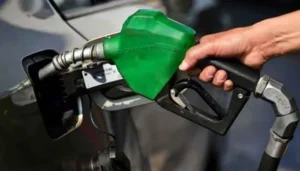





Pakistan is in talks with the International Monetary Fund to overhaul its fuel pricing mechanism, proposing a flexible petroleum levy and a price stabilisation fund that would shield consumers from wild swings in global oil markets without reverting to costly blanket subsidies.
Petroleum Minister Ali Pervaiz Malik said the proposals are under review as part of ongoing discussions between the government’s economic team and the IMF, and he intends to raise them formally with the Fund’s mission when it visits Pakistan in August and September.
Under one proposal, the petroleum development levy would become dynamic — allowing the government to dial it down when international crude prices spike and restore it once markets cool. Malik pointed to a recent precedent: during the Middle East conflict, the government temporarily slashed the PDL as oil surged, then gradually reinstated it after prices stabilised.
The government is also weighing the creation of a fuel price stabilisation fund, which would absorb sudden price shocks without resorting to broad-based subsidies that strain public finances.
Malik was blunt about the constraints. Pakistan’s commitments under the IMF programme leave virtually no room for universal fuel subsidies, he said, arguing that sweeping price controls would only pile more pressure on the country’s fiscal position. Instead, the government is leaning toward targeted support for the most vulnerable households.
On refinery margins, the minister defended the government’s approach, saying refiners are being engaged through a committee formed by Prime Minister Shehbaz Sharif. The aim, he said, is to balance consumer relief with ensuring refineries earn enough to finance investments under the Brownfield Refineries Upgrade Policy.