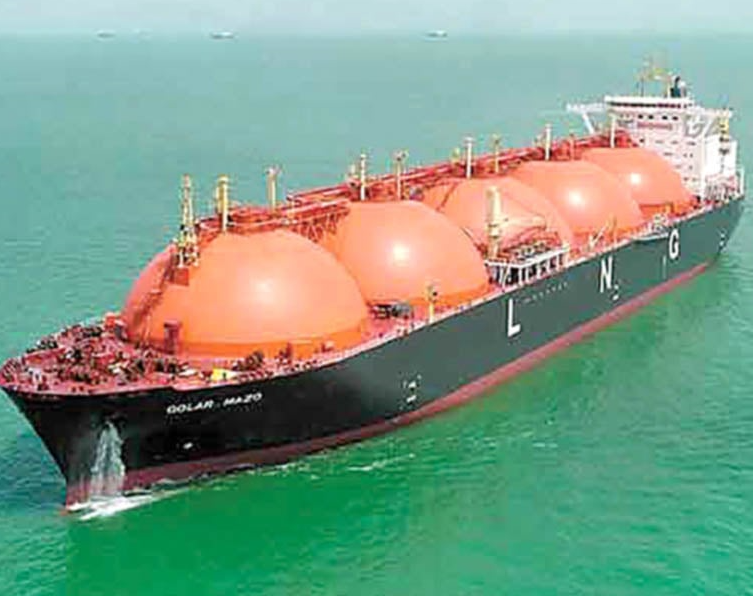
Pakistan has snapped up seven spot LNG cargoes since the US-Iran conflict erupted, racing to lock in gas supplies for the summer power season even as global prices climbed with each successive deal.
Five of the seven cargoes landed in July 2026, and every shipment came at a steeper price than the one before it. The latest, scheduled to arrive between July 27 and 28, was secured at $21.88 per million British thermal units — the most expensive spot purchase in the entire buying spree. The average across all seven cargoes settled at $18.72 per mmbtu, according to data compiled by Arif Habib Limited.
The price escalation is already feeding into electricity costs. Power generation from these spot cargoes rose from Rs. 38.45 per kilowatt-hour in May to an estimated Rs. 44.42 per kWh for the latest shipment, based on figures from the Oil and Gas Regulatory Authority and the National Electric Power Regulatory Authority.
The premium Pakistan is paying for spot market gas is stark. Arif Habib Limited estimates each spot cargo cost roughly $50 million, compared with about $33 million for a long-term cargo under Pakistan’s contract with Qatar — assuming Brent crude at $88 a barrel. That is a 52 percent markup per shipment for the flexibility of buying on the spot market.
The purchases underscore the squeeze facing energy-importing nations caught between geopolitical turmoil in the Middle East and the unforgiving arithmetic of peak summer demand. With long-term contracts unable to cover the shortfall, Pakistan had little choice but to stomach the spot market’s war premium to keep the lights on.