



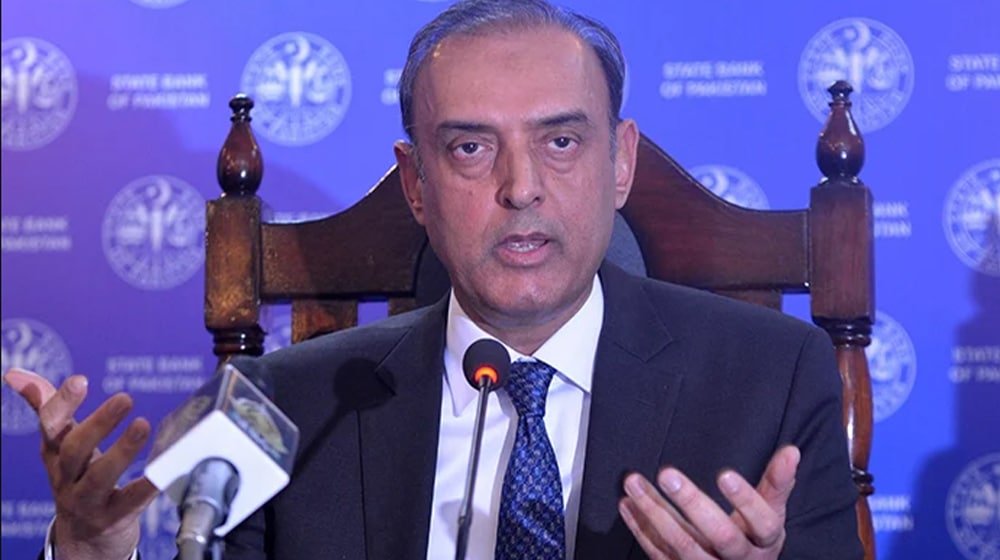
State Bank of Pakistan (SBP) Governor Jameel Ahmad has said the country’s economy is significantly more resilient than it was a few years ago, even as annual imports are expected to reach nearly $70 billion during the current fiscal year.
Addressing a press conference in Karachi, the SBP chief said Pakistan is projected to import goods worth around $70 billion, almost the same level recorded in 2022. However, he stressed that the economic situation today is markedly different.
He pointed out that when imports stood at a similar level in 2022, Pakistan faced a $17.5 billion current account deficit, forcing the central bank to sell around $8 billion in the foreign exchange market to support the rupee. This year, by contrast, the SBP has purchased $8 billion from the market, reflecting a stronger external account and healthier foreign exchange reserves.
Ahmad also said workers’ remittances are expected to exceed $41 billion this fiscal year despite geopolitical uncertainty in the Middle East. The central bank had estimated that regional tensions could reduce inflows by about $1 billion, but remittances have remained robust.
He said overseas Pakistanis will continue to enjoy free remittance services even though the government has withdrawn funding for remittance incentive programmes. Commercial banks will now absorb these costs, while benefiting from higher remittance volumes through expanded trade finance business.
The governor noted that the number of Pakistanis leaving for overseas employment has remained relatively steady at 600,000 to 700,000 people annually, yet remittance inflows have increased dramatically from roughly $23 billion to over $40 billion, largely due to improved use of formal banking channels and higher average remittances per worker.
Ahmad further confirmed that the Sohni Dharti Remittance Programme and other government-backed incentive schemes have been discontinued. He added that the SBP is working on a revamped remittance framework that will replace the previous programmes without affecting overseas Pakistanis.
Looking ahead, he expressed optimism about Pakistan’s export outlook, saying non-food exports have continued to grow despite weaker food exports, particularly rice. With international commodity prices expected to recover, the central bank anticipates stronger export growth in FY27. Ahmad also said improving macroeconomic indicators are likely to support further upgrades in Pakistan’s sovereign credit rating.