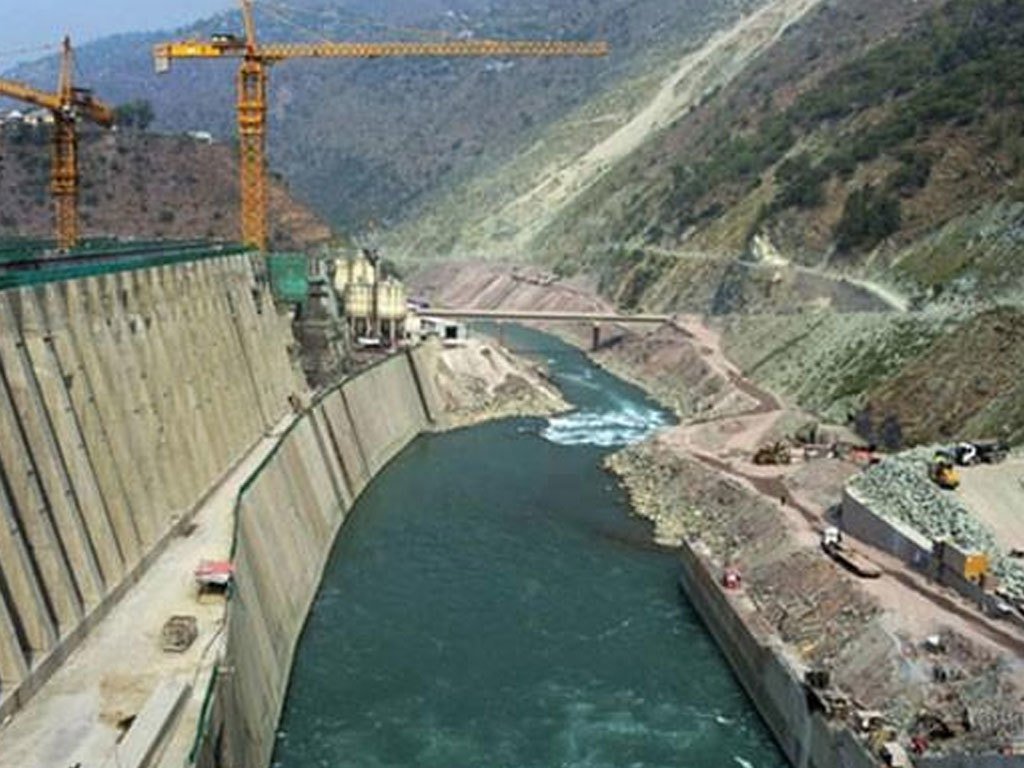
Pakistan is expected to delay three hydropower projects with a combined capacity of 1,832 megawatts after a sharp rise in rooftop solar adoption reduced electricity demand and the schemes failed to qualify under the country’s latest least-cost power expansion plan.
According to an audit of the Private Power and Infrastructure Board for FY2024-25, the 700.7MW Azad Pattan, 1,124MW Kohala and 8MW Kathai II hydropower projects remain unimplemented due to persistent delays in achieving financial close and shifting demand projections.
The audit said the Azad Pattan project, which received its Letter of Support in June 2016, failed to achieve financial close despite five deadline extensions because of financing constraints linked to Sinosure, China’s export credit insurer. Although the project sponsor sought another extension until December 2027, the PPIB Board decided to maintain the status quo pending the outcome of a joint review of the CPEC energy portfolio.
The board also took into account the fact that the project was not selected in the draft Indicative Generation Capacity Expansion Plan 2025-2035.
Similarly, the Kohala Hydropower Project, which received its Letter of Support in December 2015, also failed to reach financial close despite multiple extensions granted until September 2027.
The audit further noted that the Kathai II project ran into delays because of the unavailability of standardised security documents and pending approvals from the Economic Coordination Committee and the Cabinet Committee on Energy. As a result, the PPIB Board approved the cancellation of its Letter of Support in August 2025 with the mutual consent of the project sponsor.
According to the audit, PPIB management said both the Azad Pattan and Kohala projects were excluded from the IGCEP 2025-2035 because electricity demand has declined sharply following the rapid expansion of rooftop solar installations across the country.
Pakistan has seen strong growth in distributed solar generation over the past two years as households and businesses increasingly turned to rooftop solar systems to cut electricity costs amid rising power tariffs.
The trend has slowed growth in grid electricity demand and prompted the government to reassess future generation additions under its least-cost expansion strategy.