



The International Monetary Fund (IMF) has said the ongoing conflict in the Middle East played a major role in pushing inflation higher in Pakistan and weakening household purchasing power, even as the country moves toward broader economic stabilization under its reform programme.
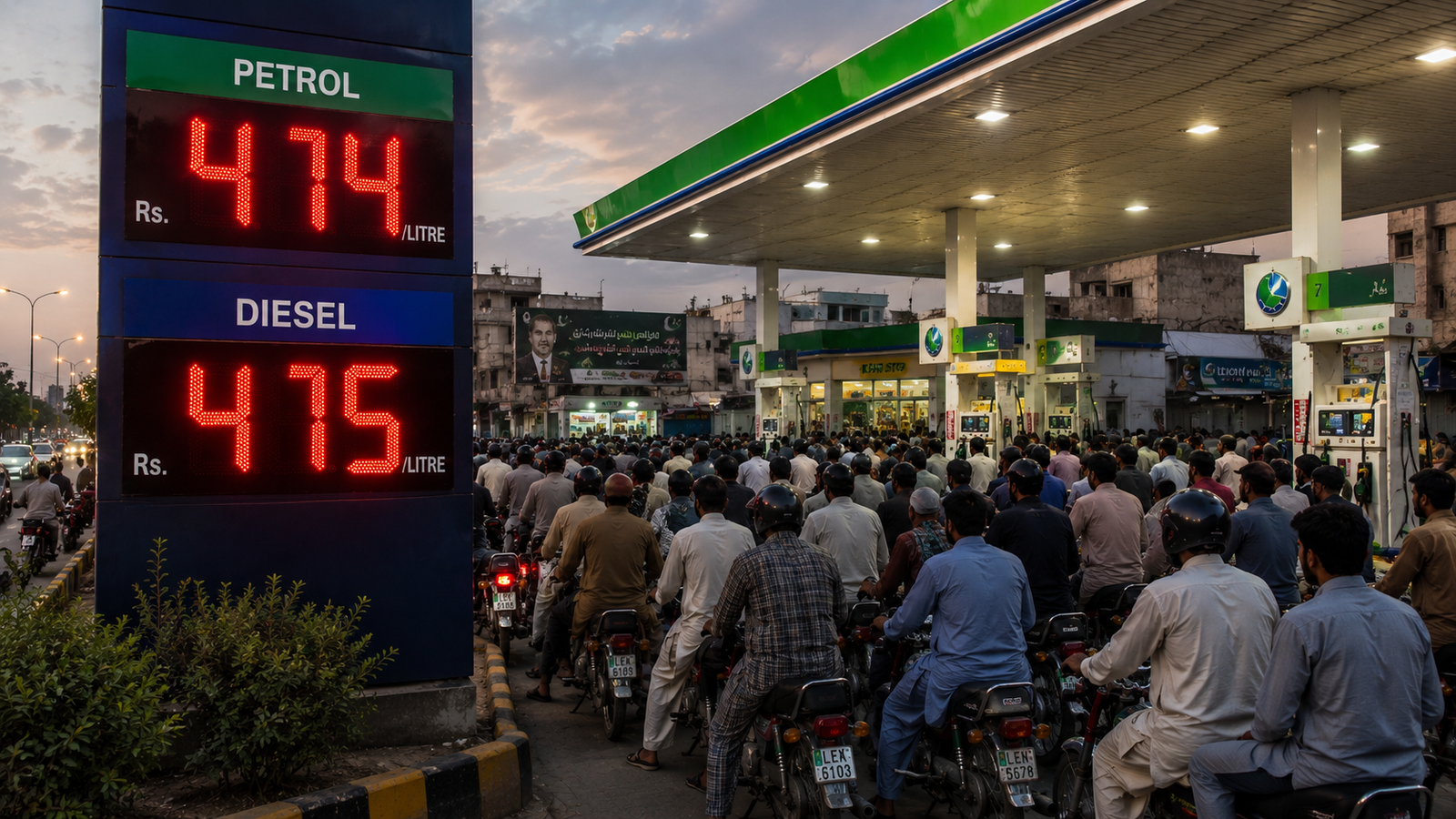
In its latest post-review report released after the latest loan tranche, the IMF noted that the regional war triggered higher global oil prices, disrupted supply chains, and increased import costs, all of which translated into rising energy prices and inflationary pressure within Pakistan’s economy.
Despite these external shocks, the Fund stated that Pakistan managed to meet several key macroeconomic targets, signaling gradual stabilization supported by policy reforms implemented under the Extended Fund Facility (EFF).
The IMF projects Pakistan’s economic growth at 3.6 percent for fiscal year 2026, while average inflation is expected to remain around 7.2 percent. The unemployment rate is estimated at 6.9 percent during the current fiscal year.
Foreign exchange reserves are expected to improve further, potentially reaching $17.5 billion, after recovering to around $16 billion by the end of December. The report emphasized that rebuilding external buffers remains essential to strengthening economic resilience.
Public debt is projected to stand at approximately 73.8 percent of GDP, highlighting continued fiscal vulnerabilities despite improving macroeconomic indicators.
The IMF credited the State Bank of Pakistan for maintaining a tight monetary policy stance aimed at controlling inflation and stabilizing prices, noting that timely policy actions helped prevent deeper economic imbalances. Maintaining adequate bank capitalization was also identified as critical for financial stability.
According to the report, investor confidence has begun to recover despite difficult global conditions and geopolitical uncertainty. Pakistan is expected to achieve a primary fiscal surplus of 1.6 percent of GDP during fiscal year 2026 as fiscal consolidation efforts continue.
The Fund also stressed the need for further reforms to expand competition in business and industrial sectors, improve productivity, and support long-term economic growth. Continued reforms in the foreign exchange market were recommended to enhance transparency and efficiency.
On climate policy, the IMF highlighted Pakistan’s 28-month Resilience and Sustainability Facility (RSF) programme, which aims to strengthen climate resilience, improve water resource management, enhance monitoring of climate risks, and boost coordination between federal and provincial governments to better manage natural disasters.
The IMF concluded that while global commodity prices and regional conflicts continue to pose risks, Pakistan’s reform programme has helped restore stability and place the economy on a gradual recovery path.