




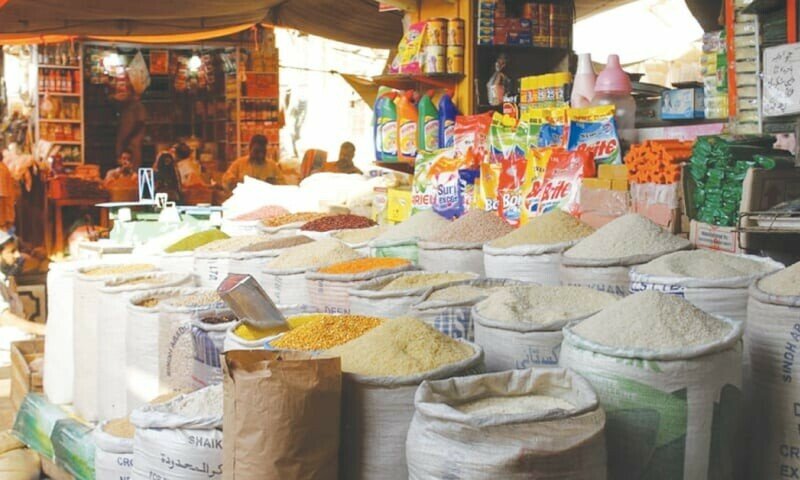
Pakistan is preparing to scale back government intervention in wheat and sugar markets, shifting toward market-based pricing and greater private sector participation as part of broader economic reform efforts.
Officials say reducing state involvement is intended to remove longstanding market distortions that have discouraged private investment, weakened productivity, and disrupted efficient price formation. The shift comes amid persistent volatility in global food prices, which policymakers believe requires stronger price discovery mechanisms driven by market forces.
Under the proposed framework, strategic wheat reserves will remain in place for food security purposes, but procurement operations will increasingly be carried out through private sector channels at prices linked to international markets. Government stock releases will be limited strictly to officially declared emergency situations.
In the sugar sector, federal and provincial authorities are advancing a new national sugar policy expected to be finalized by June 2026. The policy proposes abolishing zoning and licensing restrictions, ending administratively set sugarcane and sugar prices, and liberalizing imports and exports under transparent, phased implementation rules.
The reforms aim to transition both commodities away from heavy administrative control toward a competitive market structure, while reducing fiscal burdens associated with price support and procurement operations.