



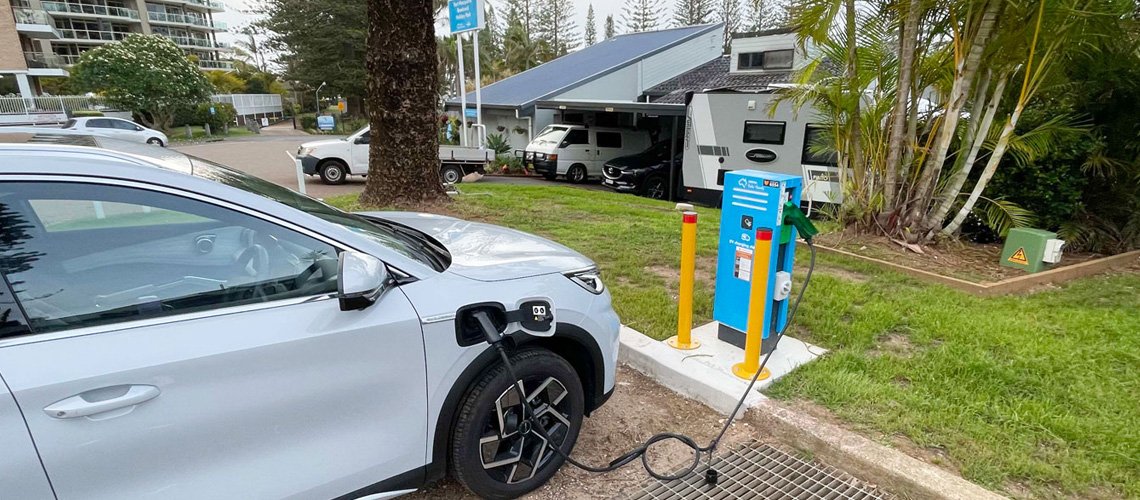
Pakistan is rolling out an ambitious electric vehicle charging infrastructure that could reshape the country’s transportation landscape. According to the newly unveiled Auto Policy 2026-31, the government plans to establish 3,000 EV charging stations by 2030—a move that signals serious commitment to the electric mobility revolution.
The network won’t be one-size-fits-all. It’s strategically designed with 1,050 Level 3 fast-charging stations for quick top-ups, 750 Level 2 chargers for moderate charging needs, 600 Level 1 chargers for overnight charging, and 600 battery swap stations for those who need instant power. To make it financially viable, the government has fixed commercial charging rates at PKR 39.7 per kilowatt-hour, set by the Power Division.
Perhaps most importantly, PKR 2,250 million in viability gap funding will be channeled through a public-private partnership framework to support non-commercial charging locations—addressing the classic chicken-and-egg problem of EV adoption.
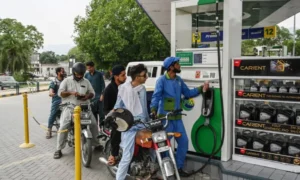
Oil marketing companies won’t be left on the sidelines either. The policy mandates that 10% of their stations in each province must install Level 3 fast chargers, ensuring that Pakistan’s existing fuel infrastructure evolves alongside the electric transition.
Phase 1 kicks off within six months, with 40 Level 3 fast-charging stations planned along all motorways and the N5 highway at roughly 120-kilometer intervals—making long-distance electric travel a realistic possibility for the first time in Pakistan’s history.