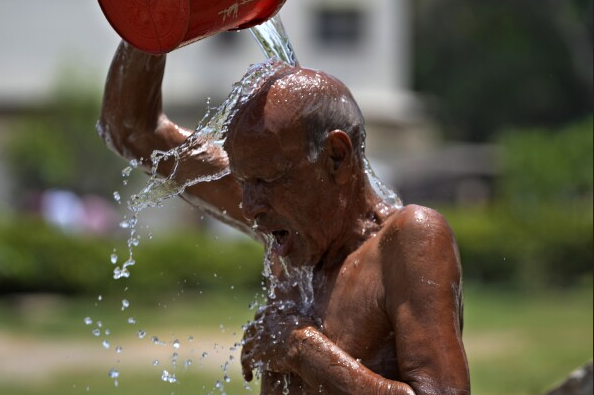
The Pakistan Meteorological Department has issued a nationwide alert warning that intense heatwave conditions are expected to grip central and southern regions of Pakistan from May 7 to May 11, with temperatures forecast to climb as high as 50°C in some areas.
According to the National Weather Forecasting Centre, the heatwave is being driven by strong high-pressure conditions in the upper atmosphere, which are expected to significantly raise daytime temperatures across large parts of the country.
Areas Facing Extreme Heat
Officials warned that southern and central districts will experience the most severe conditions between May 7 and 11, while upper regions are expected to remain under heatwave influence from May 8 to May 10.
Cities including Dadu, Shaheed Benazirabad, Khairpur, Jacobabad, Sukkur, Turbat, Panjgur, Sibi, and Dera Ghazi Khan could see temperatures ranging between 46°C and 50°C.
Upper and central cities such as Multan, Bahawalpur, Lahore, Islamabad, Peshawar, Mardan, Kohat, and Faisalabad are expected to record temperatures 4°C to 7°C above normal levels.
Karachi is forecast to experience hot and humid conditions, with maximum temperatures likely to remain between 35°C and 38°C.
Possible Relief Later
Meteorologists said a shallow westerly weather system may enter northern areas around May 10, potentially bringing some relief to upper regions through rain and thunderstorms.
Public Safety Advisory Issued
Authorities have urged citizens to take precautionary measures as extreme heat poses serious health risks:
- Avoid direct sunlight, especially during daytime hours
- Increase water intake and remain hydrated
- Elderly individuals, children, and women advised to minimize outdoor exposure
- Farmers encouraged to adjust crop and livestock management accordingly
Officials have directed all concerned departments to remain on high alert and implement preventive measures to avoid heat-related emergencies during the forecast period.
The warning comes as Pakistan enters peak summer conditions, with experts cautioning that prolonged heatwaves could increase pressure on health systems, power demand, and water resources nationwide.