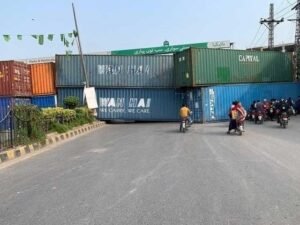




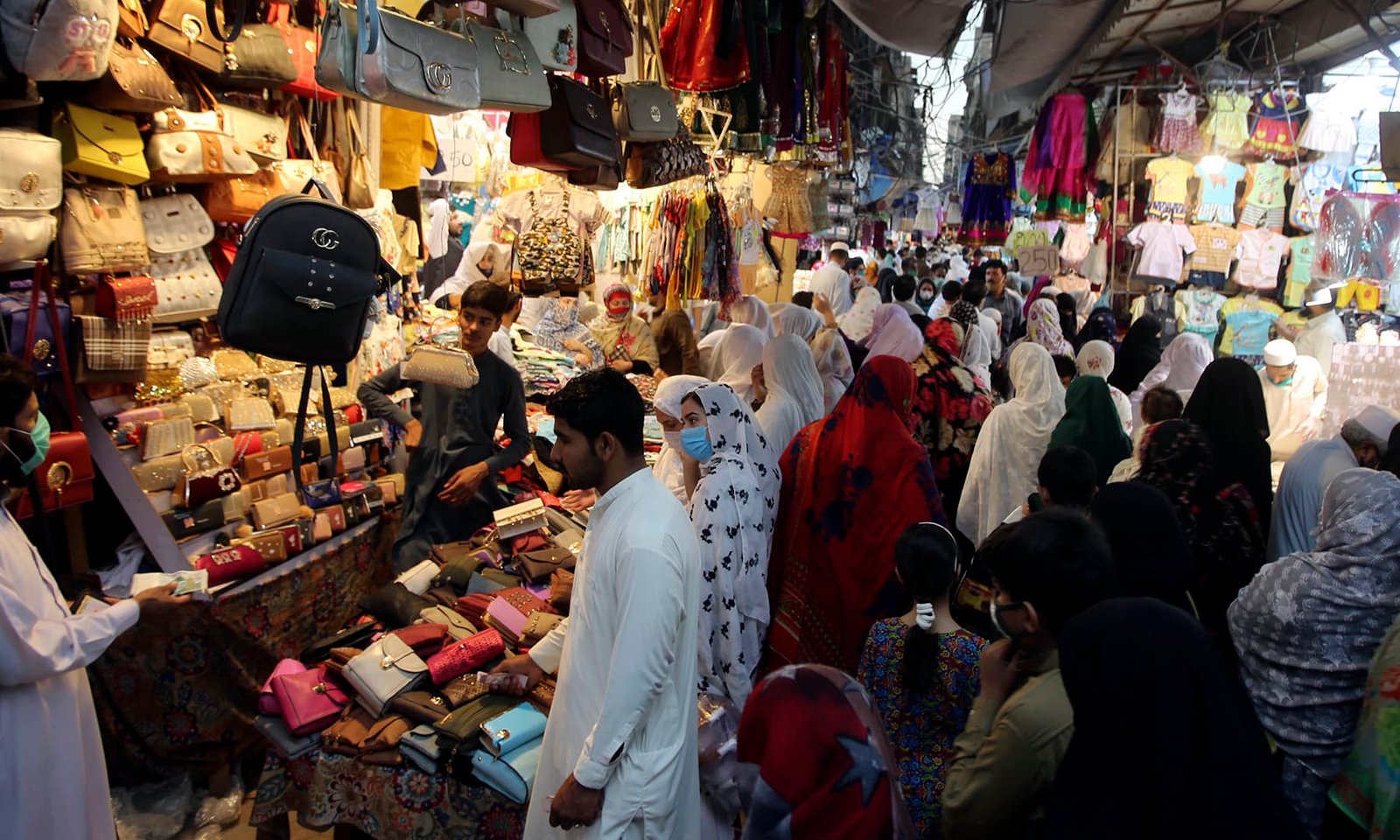
Pakistan’s tax machinery is facing renewed strain as early market shutdowns—driven by energy shortages and economic pressures—are projected to cut Federal Board of Revenue (FBR) collections by an estimated Rs. 15–20 billion, officials told the National Assembly Standing Committee on Finance.
Lawmakers were briefed that reduced business hours, expensive fuel, and inconsistent power supply are collectively slowing commercial activity across major urban centers. This slowdown is directly feeding into weaker tax inflows at a time when FBR is already struggling to meet its targets.
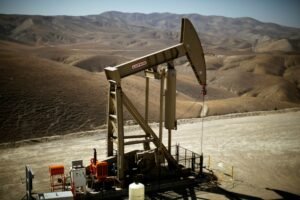
Officials highlighted that petroleum prices have surged by around 42% in recent months. The resulting increase in transport and production costs has weakened consumer demand, reduced retail activity, and slowed overall economic turnover—factors that directly affect tax collection.
The committee was further informed that rising global oil prices have increased operating expenses for both businesses and industries. As a result, many traders are shutting down earlier than usual to manage costs and cope with energy shortages, leading to lower sales volumes and reduced income tax generation.
Compounding the issue are ongoing disruptions in RLNG and furnace oil supply, which have raised concerns about load shedding in Islamabad and other major cities. These energy constraints are further limiting business hours and shrinking the taxable economic activity window.
Members of the committee questioned FBR officials over continued revenue shortfalls, noting that collections remain under pressure despite new tax measures and higher economic burden on consumers. Committee Chairman Syed Naveed Qamar remarked that weak enforcement and compliance are increasing reliance on borrowing to meet fiscal needs.
Officials from the Finance Ministry acknowledged that high inflation, slower economic activity, and reduced purchasing power are making revenue collection increasingly difficult.
Lawmakers also called for tighter oversight of FBR performance and urged structural reforms aimed at widening the tax base, improving enforcement, and reducing dependence on indirect taxes that place a heavier burden on the broader population.