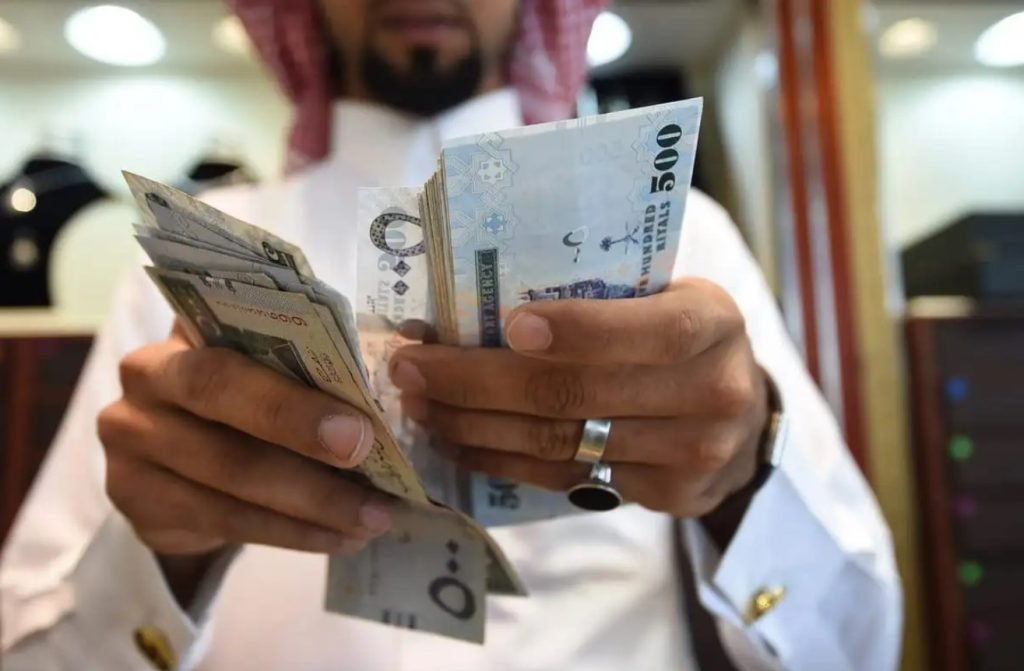
Pakistan has received a fresh financial boost after the State Bank of Pakistan confirmed the arrival of $2 billion from the Ministry of Finance of the Kingdom of Saudi Arabia, credited on April 15, 2026.
The amount has been added to the central bank’s foreign exchange reserves, providing immediate support to the country’s external account position at a time when Pakistan continues to manage tight dollar liquidity and large external payment obligations.
The latest inflow forms part of long-standing financial cooperation between Pakistan and Saudi Arabia. Over the past several years, Riyadh has repeatedly extended deposits and financing facilities to Islamabad to help ease balance-of-payments pressures and maintain economic stability during periods of financial stress.
Pakistan’s economy has struggled with recurring external financing gaps driven by high import costs, debt servicing requirements, and relatively slow export growth. Maintaining adequate foreign exchange reserves remains essential for stabilizing the currency, sustaining imports, and meeting conditions linked to international financial programs.
Saudi deposits have historically been rolled over rather than withdrawn, allowing Pakistan to avoid sudden reserve shocks and maintain investor confidence during challenging economic cycles. Officials view such inflows as critical stop-gap support while broader fiscal and structural reforms continue.
Economic analysts, however, note that repeated reliance on friendly countries for reserve support underscores deeper economic challenges, including a narrow tax base, limited industrial expansion, and dependence on external borrowing to manage recurring financial pressures.
While the $2 billion deposit strengthens Pakistan’s reserve buffer in the near term, experts emphasize that durable economic stability will depend on sustained reforms aimed at boosting exports, attracting investment, and reducing reliance on emergency foreign funding.