The Power Division has issued a detailed statement on the country’s electricity situation, confirming a significant drop in hydropower generation during the night hours, which led to increased load management beyond the announced schedule.
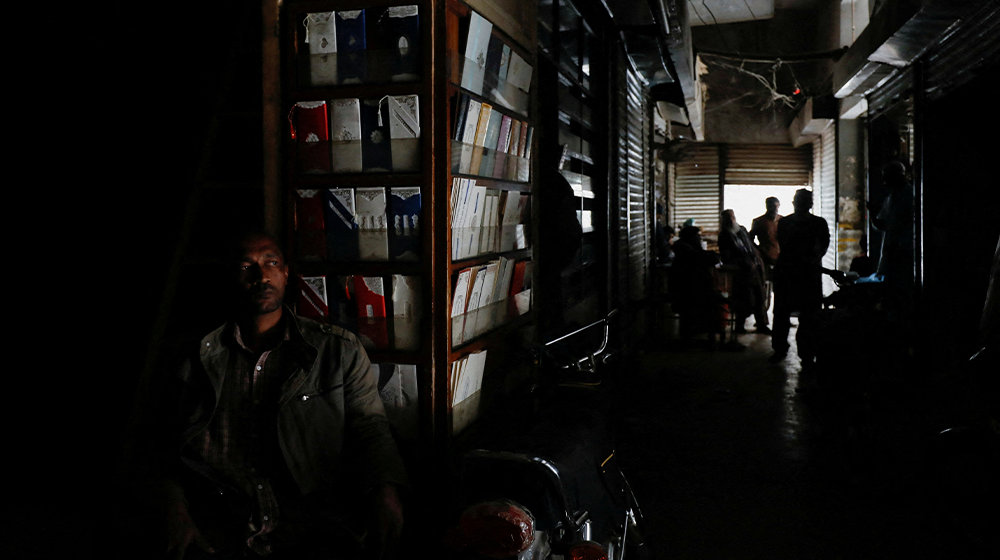
According to the spokesperson, hydropower generation fell by 1,991 megawatts last night, creating pressure on the national grid and forcing distribution companies to implement additional load management measures.
Peak-time shortfall reaches 4,500 MW
The statement revealed that during peak nighttime hours, Pakistan faced an electricity shortfall of approximately 4,500 megawatts. Despite this, authorities emphasized that the situation was largely restricted to night-time hours.
Peak demand during the night was recorded at around 18,000 megawatts.
Why hydropower generation dropped
The Power Division explained that the decline in hydropower output was mainly due to reduced water releases from major dams to the provinces.
The Indus River System Authority (IRSA) is currently releasing water according to provincial demand, which is significantly lower compared to last year. Officials attributed this reduced demand to seasonal factors, including rainfall patterns and ongoing crop harvesting activities, which have reduced irrigation requirements and consequently lowered water discharge.
Daytime supply remains stable
Authorities stressed that there is no electricity shortfall during daytime hours, and load management has only been scheduled during night-time peak demand periods.
Expected improvement in coming days
The statement added that hydropower generation is expected to improve in the coming days as water releases from dams increase. Additionally, improved availability of RLNG (Re-gasified Liquefied Natural Gas) is also expected to stabilize the power supply situation further.
Apology and public appeal
The Power Division expressed regret over the additional load management and apologized to consumers for the inconvenience.
Consumers have been urged to reduce electricity usage during night hours and strictly follow energy conservation practices to help manage the demand-supply gap.