Pakistan has intensified efforts to attract foreign investment, with Finance Minister Senator Muhammad Aurangzeb engaging global institutional investors days after the country cleared a major Eurobond payment and raised petrol prices in a move aimed at stabilising public finances.
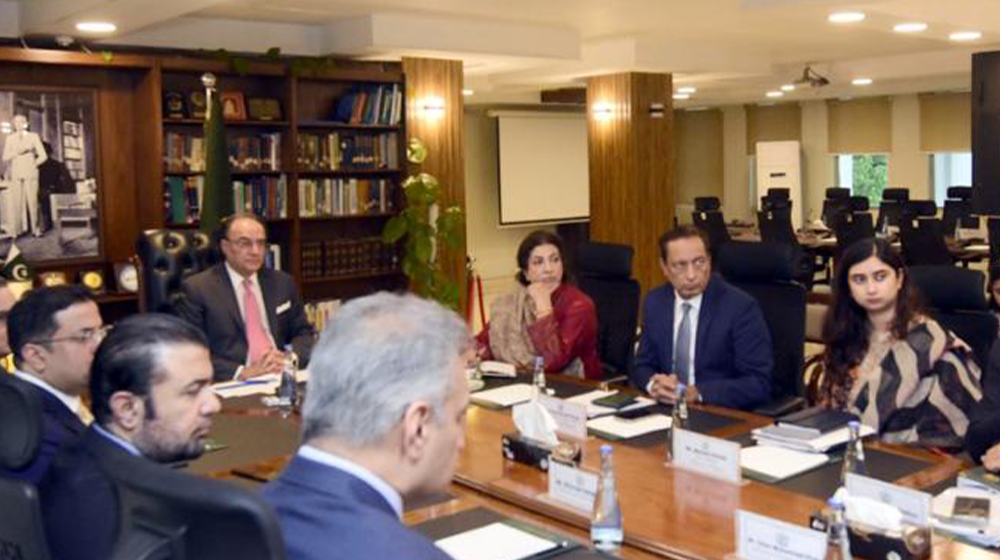
During a virtual interaction hosted by Jefferies Financial Group, attended by more than 250 international investors, the finance minister outlined Pakistan’s economic outlook and ongoing reform agenda, positioning the country as an emerging investment destination following recent macroeconomic stabilisation.
Aurangzeb said Pakistan’s economic strategy is focused on maintaining fiscal discipline, strengthening external stability, and implementing structural reforms under the ongoing International Monetary Fund (IMF) programme. He noted that the completion of IMF review targets reflected continued policy commitment and improving economic management.
The minister told investors that authorities had adopted coordinated policy measures to navigate global and regional economic pressures, ensure energy supplies, and maintain market stability. Targeted subsidies delivered through digital platforms, he said, were helping protect lower-income groups while keeping government spending under control.
Highlighting Pakistan’s external debt management, Aurangzeb emphasised that the recent Eurobond repayment demonstrated the country’s resolve to meet international financial obligations and rebuild credibility in global capital markets.
He also detailed key reform initiatives underway, including modernisation of tax administration, restructuring of the energy sector, downsizing of government operations, and the privatisation or restructuring of state-owned enterprises. Increasing revenue collection through digitisation, improved compliance, and reduced leakages remains central to strengthening fiscal sustainability, he added.
Pointing to future growth potential, the finance minister identified logistics and regional connectivity as major opportunities, noting rising activity at ports such as Gwadar. He also highlighted investment prospects in agriculture, mining and mineral development, as well as the country’s accelerating shift toward renewable energy, particularly solar power adoption.
Aurangzeb said Pakistan’s current market valuations offer attractive opportunities for international investors, arguing that continued reform implementation and improving economic indicators could translate into stronger long-term returns.
Investors were briefed on Pakistan’s external financing strategy, including plans to issue Panda Bonds as part of efforts to diversify funding sources and broaden the investor base. Authorities are also assessing the timing of potential Eurobond and Sukuk issuances depending on global market conditions and borrowing costs.
Discussions further covered emerging areas such as digital finance and virtual assets, with officials outlining plans to develop a regulatory framework aimed at encouraging innovation while ensuring transparency and consumer protection.
Participants acknowledged improving macroeconomic fundamentals and a more stable economic outlook, while stressing the importance of policy consistency and sustained reforms to strengthen investor confidence and support future capital inflows.
The session concluded with both sides agreeing to maintain engagement as Pakistan seeks to transition from economic stabilisation toward investment-led growth.