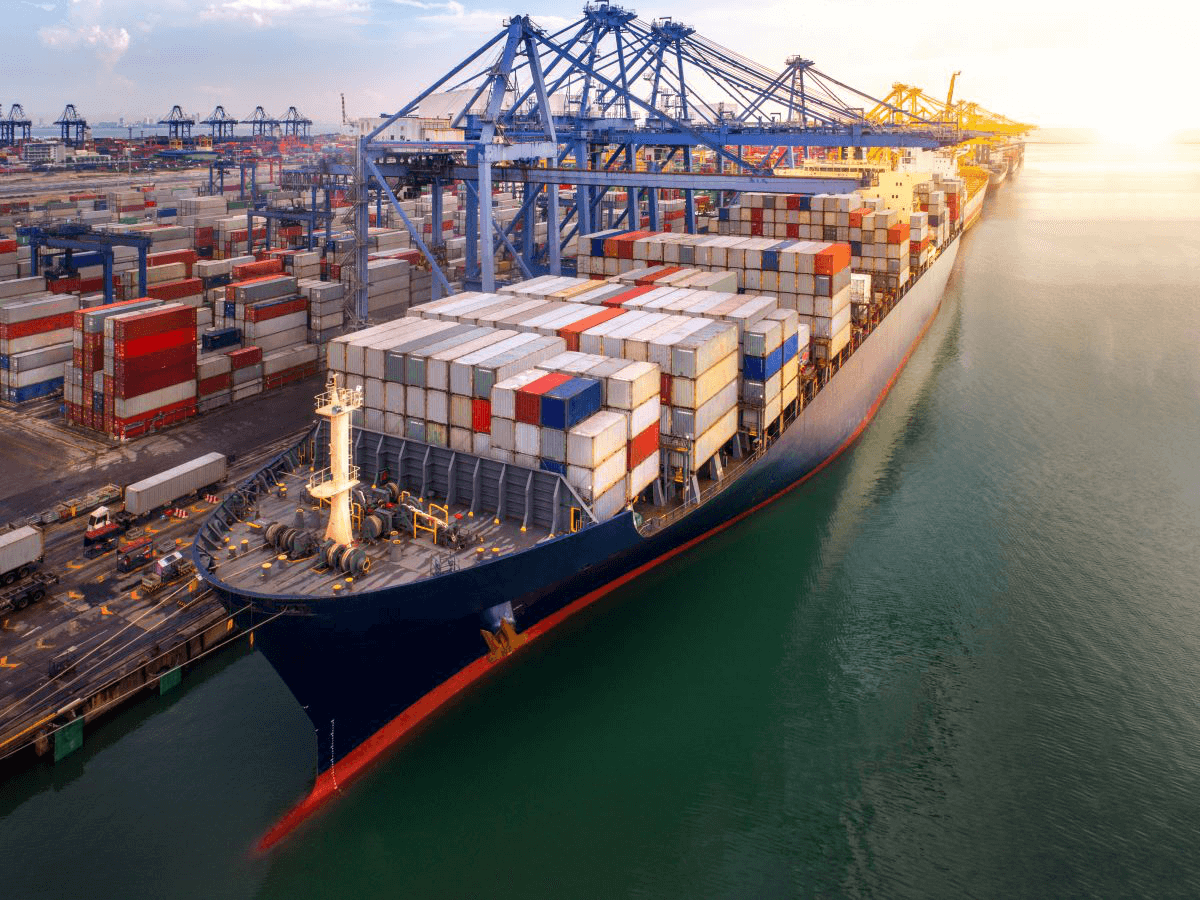
Pakistan’s major ports have recorded an unprecedented surge in activity, cementing the country’s growing role as a secure and strategic hub for global trade and investment. Strengthened infrastructure, advanced logistics systems, and strategic policy initiatives are positioning Pakistan as a key transshipment center in the region.
Karachi Port, Port Qasim, and Gwadar have all reported record-breaking cargo volumes. Transshipment at Karachi Port over the past 24 days alone has matched the total container throughput for the entire previous year. In 2025, Karachi Port handled approximately 8,300 containers, while in just the last 24 days, it processed 8,313 containers.
The daily handling rate at Karachi Port has skyrocketed from about 23 containers per day last year to over 346 containers per day, marking a staggering 1,423% increase in throughput compared to the previous year. This highlights the port’s record-breaking operational capacity in an exceptionally short timeframe.
Industry experts attribute this surge to shipping disruptions in the Arabian Gulf, which prompted international routes to shift toward Pakistan. In response, Pakistan updated transshipment regulations, enabling cargo handling at both maritime and air ports, further boosting efficiency.
Data from Trade Chronicles underscores the scale of activity: South Asia Pakistan Terminal handled 5,286 containers, Hutchison Port managed 1,827, and Karachi Gateway Terminal processed 1,200 containers in this period alone.
Global trade analysts suggest that ongoing conflicts in the Middle East have created a golden opportunity for Pakistan to become a permanent transshipment hub. With international markets seeking reliable alternatives, Pakistan is emerging as a preferred logistics center.
Analysts also point to Pakistan’s political stability, strategic leadership, and initiatives such as the China-Pakistan Economic Corridor (CPEC) as key factors driving investor confidence. Modern infrastructure and a secure environment are consolidating Pakistan’s position as a regional trade and logistics powerhouse.
As the country continues to attract international investment, its ports are increasingly recognized as critical nodes in global supply chains, highlighting Pakistan’s growing influence in regional and international commerce.