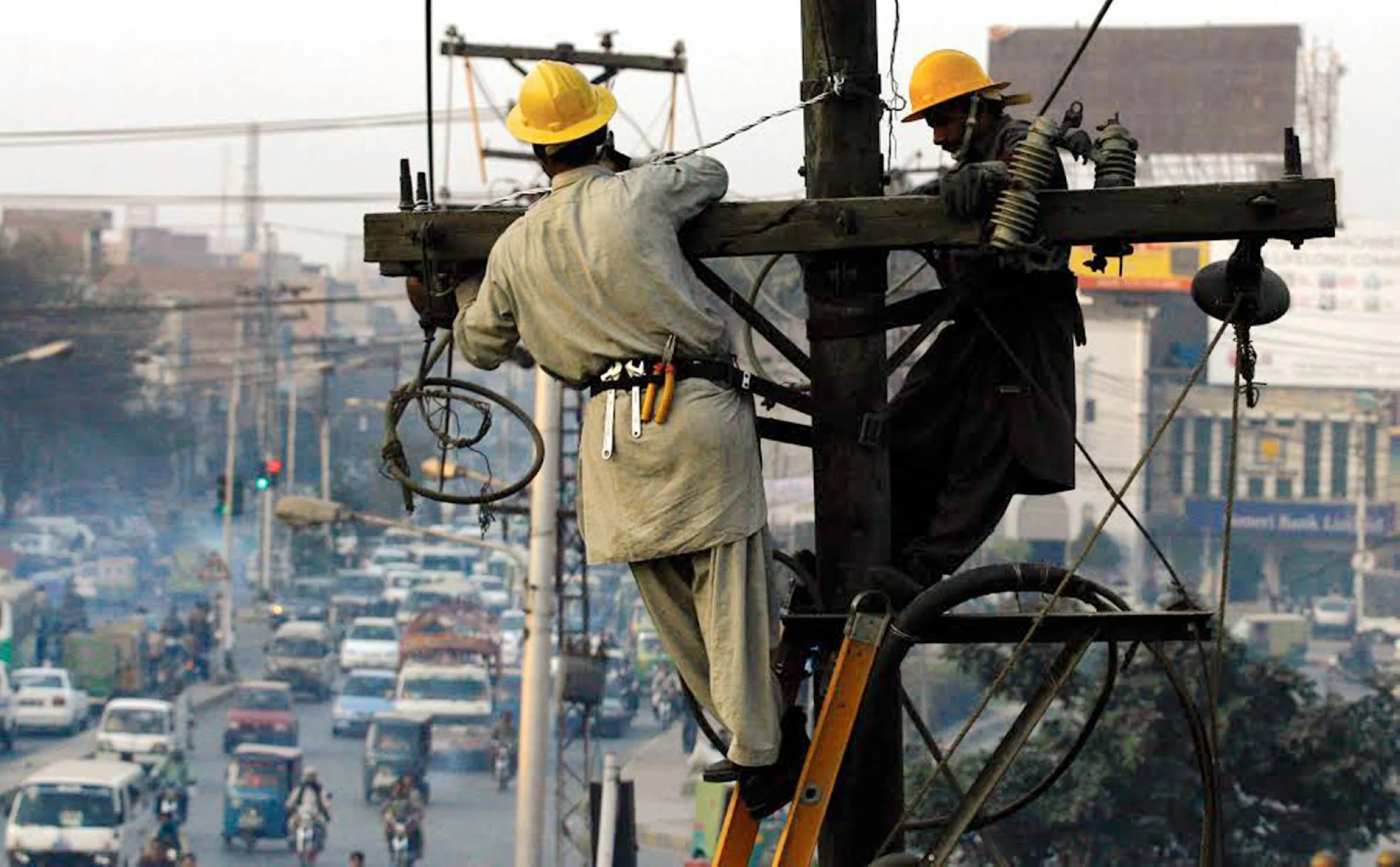
Pakistan is moving closer to securing major international financing for a large-scale electricity transmission upgrade, as the World Bank prepares to support a $700 million power sector modernization program aimed at stabilizing the national grid and accelerating renewable energy integration.
The proposed funding forms part of the BEST-PAK Multi-Phase Program (MPA) – Grid Stability Enhancement Project, a long-term initiative designed to strengthen transmission infrastructure, improve energy security, and address persistent inefficiencies in Pakistan’s electricity system.
Financing Structure
Under Phase-1 of the program, the World Bank is expected to provide approximately $378.9 million through its International Bank for Reconstruction and Development (IBRD). Additional financing will come from development partners, including the Asian Infrastructure Investment Bank and the Islamic Development Bank, alongside local counterpart funding.
The first phase alone carries an estimated investment size of nearly $700 million, forming part of a broader 10-year reform program running from 2026 to 2035.
Strengthening Pakistan’s Electricity Network
The initiative focuses on eliminating transmission bottlenecks that currently prevent efficient delivery of electricity despite rising generation capacity.
Key components of the project include:
- installation of advanced reactive power compensation systems to stabilize grid operations,
- deployment of battery energy storage solutions,
- reinforcement of existing transmission assets,
- construction of a major 500-kV Matiari–Rahim Yar Khan transmission corridor, designed to improve power flow between southern, central, and northern regions,
- technical assistance to modernize sector governance and institutional capacity.
The program also encourages greater private sector participation in transmission infrastructure investment.
Addressing Deep-Rooted Power Sector Problems
According to World Bank assessments, Pakistan’s power sector continues to face structural challenges, including weak bill recovery, electricity theft, high system losses, and transmission constraints that contribute to rising circular debt.
Although installed generation capacity has more than doubled over the past decade to exceed 46,000 megawatts, transmission limitations prevent reliable delivery of lower-cost electricity. Seasonal power imbalances and dependence on imported fuels further expose the country to global energy price shocks.
Transmission congestion has already resulted in unused renewable generation capacity and increased reliance on expensive LNG-based electricity, pushing overall generation costs higher.
Institutional Reform and Governance Improvements
Alongside infrastructure investment, the program supports restructuring of the National Transmission and Dispatch Company (NTDC) into specialized entities:
- National Grid Company (NGC) for asset ownership,
- Independent System and Market Operator (ISMO) for dispatch and market operations,
- Energy Infrastructure Development and Management Company (EIDMC) for project execution.
Technical assistance under the project will help strengthen governance, accountability, and commercial operations across these institutions.
Supporting Economic Stability and Clean Energy Transition
The financing comes as Pakistan continues broader economic stabilization efforts following recent fiscal and external sector pressures. The World Bank noted that improving transmission reliability is essential to sustaining growth, reducing energy losses, and enabling large-scale renewable energy deployment.
Pakistan aims to significantly expand clean energy capacity, targeting 60 percent renewable energy share by 2030, making transmission upgrades critical for future power system resilience.