




A growing debate has emerged over US President Donald Trump’s decision to pause strikes on Iran for five days, with some analysts and social media commentators suggesting the move may be aimed at repositioning American forces rather than signaling de-escalation.
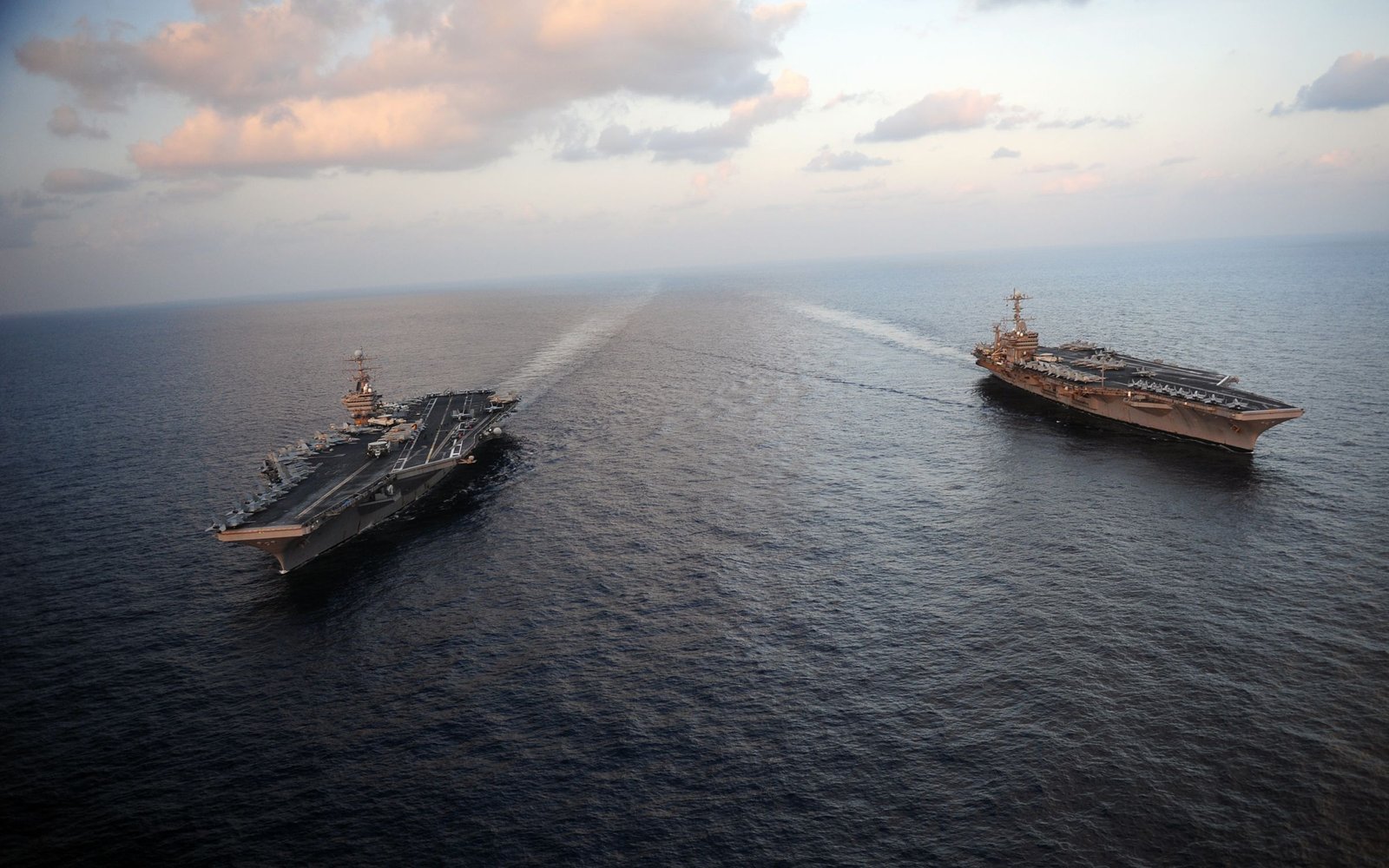
Many users on X argue that the pause could provide the United States with time to deploy additional naval assets toward the Strait of Hormuz, potentially placing pressure on Iran’s Islamic Revolutionary Guard Corps (IRGC) ahead of any renewed escalation.
Hassan Ahmadian, an associate professor at the University of Tehran, told Al-Jazeera that while Trump may be reconsidering immediate strikes on Iran’s energy infrastructure, another possibility remains. He suggested the pause could be used to prepare for a stronger military response in the coming days. “It can either be a step back or preparation for escalation,” he said, adding that Iran is preparing for both outcomes.
The five-day halt reportedly applies only to strikes on Iran’s energy infrastructure, a move that comes at a highly sensitive point in the ongoing conflict. While Washington has framed the pause as an opening for potential dialogue, Iranian officials have denied that any negotiations with the United States are currently taking place.
Ahmadian acknowledged that intermediaries may be attempting to facilitate communication between the two sides, but emphasized that no direct talks have been confirmed. “It can be either scenario,” he noted.
Meanwhile, reports suggest the United States is using this window to reposition its military presence in the Gulf region. Among the assets being moved is the USS Tripoli, an amphibious assault ship carrying thousands of Marines, which is expected to strengthen US operational capabilities near the strategic waterway.
The Strait of Hormuz remains a critical focal point, as a significant portion of global oil shipments passes through the narrow passage. This makes it a key strategic leverage point for Iran and a priority for US efforts to maintain open shipping lanes amid rising tensions.
The announcement of the pause has also influenced global markets. Oil prices dipped sharply below $90 per barrel, while US stocks rebounded as investors reacted to the temporary easing of immediate conflict risks.
Despite this, the pause does not appear to indicate a broader de-escalation. US operations targeting Iranian military and strategic assets are still expected to continue, keeping tensions high across the region.
As naval movements continue and uncertainty persists, many observers view the five-day window as a brief pause in hostilities rather than a step toward lasting peace—one that could prove pivotal for the broader geopolitical balance in the Gulf.