



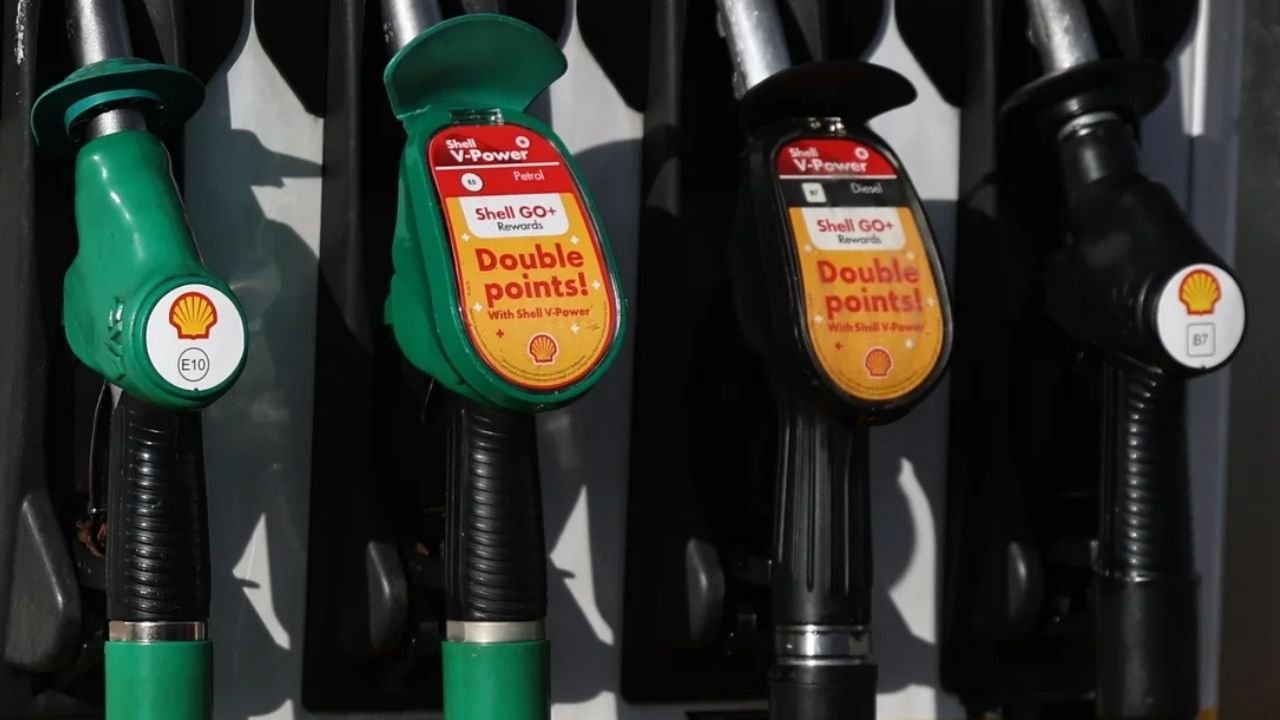
The federal government’s decision to keep fuel prices unchanged for another week has created a significant fiscal burden, with an estimated Rs. 45 billion impact on the national exchequer. High-speed diesel (HSD) is currently being subsidized by approximately Rs. 118 per litre to prevent a sharp increase in consumer prices.
Latest figures from the Oil and Gas Regulatory Authority (OGRA) and industry sources show that the ex-refinery price of diesel has climbed from Rs. 330.19 per litre on February 16 to Rs. 438 per litre by March 21, marking a steep increase of Rs. 118.
Despite this surge, the government has opted not to pass on the increase to consumers. Instead, it has adjusted the price differential to maintain the retail price of diesel at Rs. 335.86 per litre.
The current retail price structure still includes fixed charges such as a petroleum levy of Rs. 55.24 per litre, a climate support levy of Rs. 2.50, along with margins for oil marketing companies and dealers. The widening gap between actual cost and consumer price is being fully absorbed by the government.
Mohammed Sohail, CEO of Topline Securities, cautioned that maintaining such a high level of subsidy may not be sustainable if international oil prices remain elevated and the Pakistani rupee continues to weaken. He noted that diesel plays a vital role in transport and agriculture, making prolonged subsidies a risk to fiscal stability.
While the move provides temporary relief to consumers, it raises the likelihood of a sharper price adjustment in the next fuel review if cost pressures persist.