



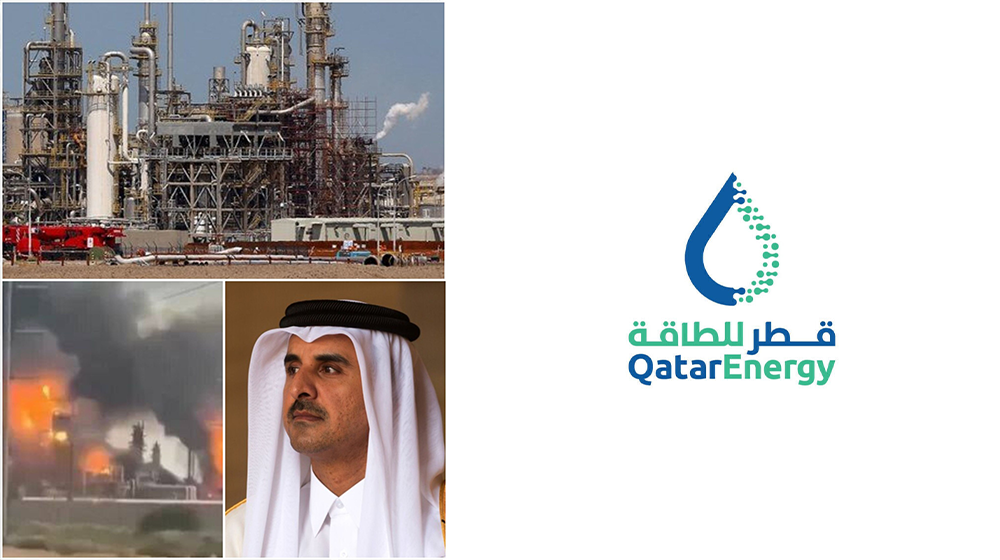
South Asian countries, including Pakistan and India, are at risk of a major gas and power crisis after Iranian airstrikes reportedly damaged Qatar’s Ras Laffan Industrial City, the world’s largest liquefied natural gas (LNG) export hub and Pakistan’s primary source of gas imports.
Pakistan relies on Qatar for nearly 99 percent of its LNG supply, making it highly exposed to any disruption. If deliveries are suspended for more than two weeks, the country could face prolonged shortages along with stricter fuel management measures in the coming weeks.
Qatar’s state-owned energy company, QatarEnergy, has already halted LNG production following the incident. Industry experts warn that even after operations resume, restoring full export capacity could take an additional two to three weeks. The situation is further strained by ongoing regional tensions that have disrupted key energy routes, including the Strait of Hormuz.
A prolonged supply disruption could lead to gas shortages, electricity load-shedding, and a slowdown in industrial activity in Pakistan. The country’s heavy reliance on a single supplier leaves little room to quickly substitute imports from other markets.
Other LNG-importing countries in South Asia, particularly Bangladesh, are also expected to feel the impact, though Pakistan remains among the most vulnerable due to its limited storage capacity and high dependence on imported gas.
Meanwhile, the federal government is closely monitoring the situation. Officials from the Petroleum Division and Finance Ministry are holding regular meetings to assess risks and consider emergency measures, including alternative imports, rationing, and adjustments in energy consumption to manage potential shortages.