Pakistan is moving to accelerate a long-delayed $6 billion refinery upgrade programme after escalating tensions in the Middle East exposed the country’s heavy reliance on imported fuel supplies.
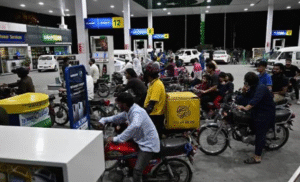
Government officials and industry representatives say the renewed urgency follows disruptions in global oil markets caused by the ongoing regional conflict, which has pushed up international energy prices and forced Pakistan to raise domestic petroleum rates while introducing fuel conservation measures.
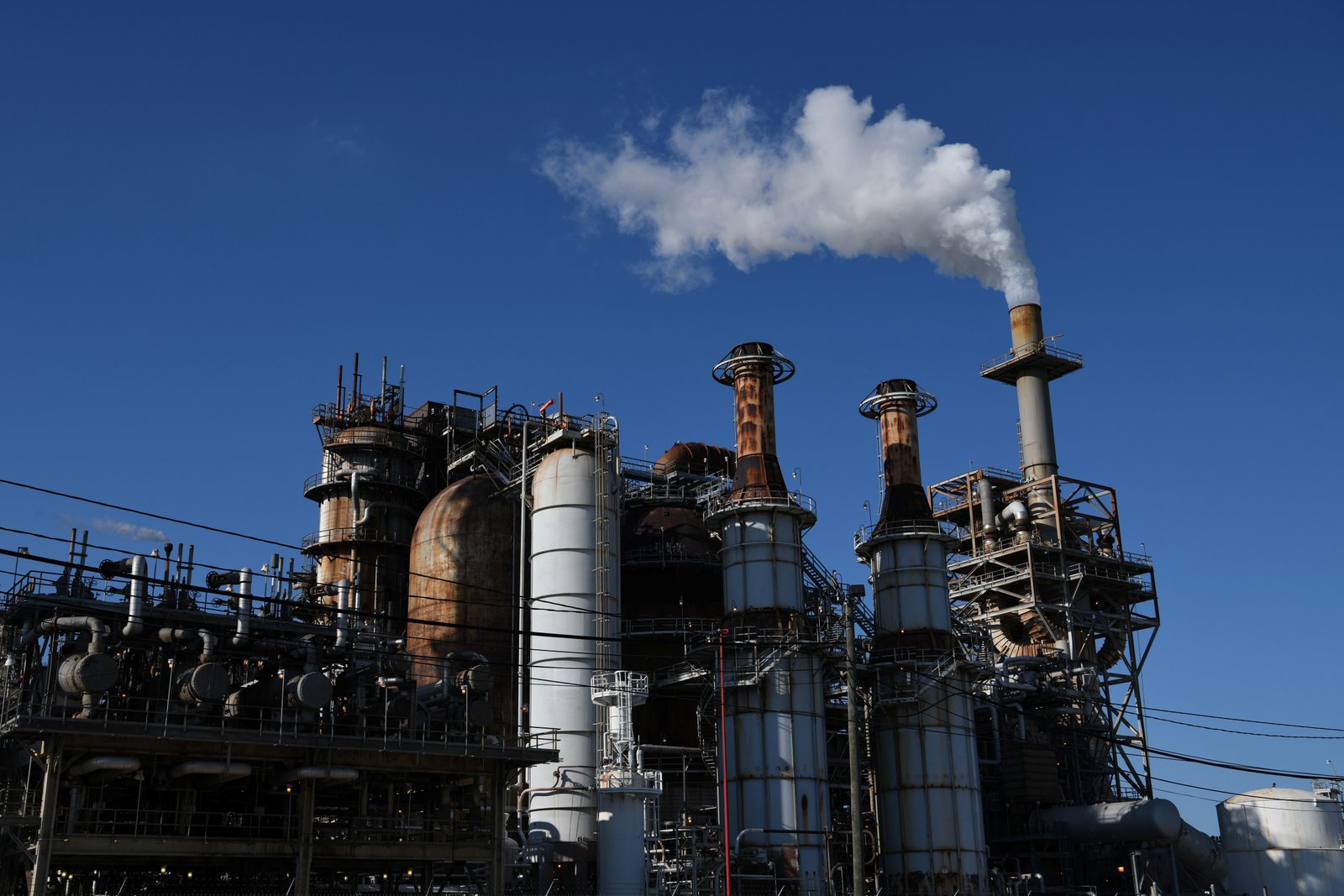
The refinery modernization initiative, first introduced under the 2023 Brownfield Refining Policy, aims to upgrade five major refineries — Pak-Arab Refinery Limited (PARCO), Attock Refinery Limited (ARL), National Refinery Limited (NRL), Cnergyico Pakistan Limited, and Pakistan Refinery Limited (PRL).
Once completed, the upgrades will enable the facilities to produce cleaner Euro-V standard fuels, including petrol and diesel, while reducing the output of low-value furnace oil and improving overall efficiency.
Progress on the project slowed during fiscal year 2024-25 after policy and taxation complications emerged, particularly following exemptions on general sales tax (GST) for refined petroleum products. Officials now expect key policy hurdles to be resolved soon as the government prioritizes energy security.
A high-level meeting chaired by Finance Minister Muhammad Aurangzeb is scheduled to bring together regulators, tax authorities, and refinery executives to finalize financial arrangements and restore investor confidence. Authorities expect formal agreements with refinery operators once regulatory clarity is achieved.
Pakistan’s current refining capacity stands at roughly 450,000 to 500,000 barrels per day, equivalent to about 21–23 million tons annually. With modernization, capacity could expand to nearly 33 million tons per year by 2035, significantly reducing dependence on imported refined fuels.
Pakistan spent around $16 billion on fuel imports last year, sourcing petroleum products mainly from Gulf countries. Energy analysts warn that reliance on overseas supplies leaves the economy vulnerable to geopolitical shocks and price volatility.
Industry stakeholders have urged the government to reintroduce tax incentives on imported machinery and equipment required for upgrades, arguing that long-term policy stability is essential for securing financing and attracting investment.
Experts believe modernizing domestic refineries would allow Pakistan to meet growing fuel demand locally, improve energy resilience, and potentially transition from a net importer toward exporting certain refined petroleum products in the future.
The renewed push signals Islamabad’s broader strategy to strengthen national energy security amid an increasingly uncertain global oil environment.