Japan and Australia said on Monday they have no plans to dispatch naval vessels to the Middle East to escort ships through the Strait of Hormuz, following US President Donald Trump’s call for allies to create a coalition to secure the vital waterway.
The Strait of Hormuz, a strategic chokepoint through which about 20 percent of the world’s energy supplies transit, has been effectively closed for most tanker traffic since the United States and Israel launched attacks on Iran on February 28, intensifying the ongoing conflict.
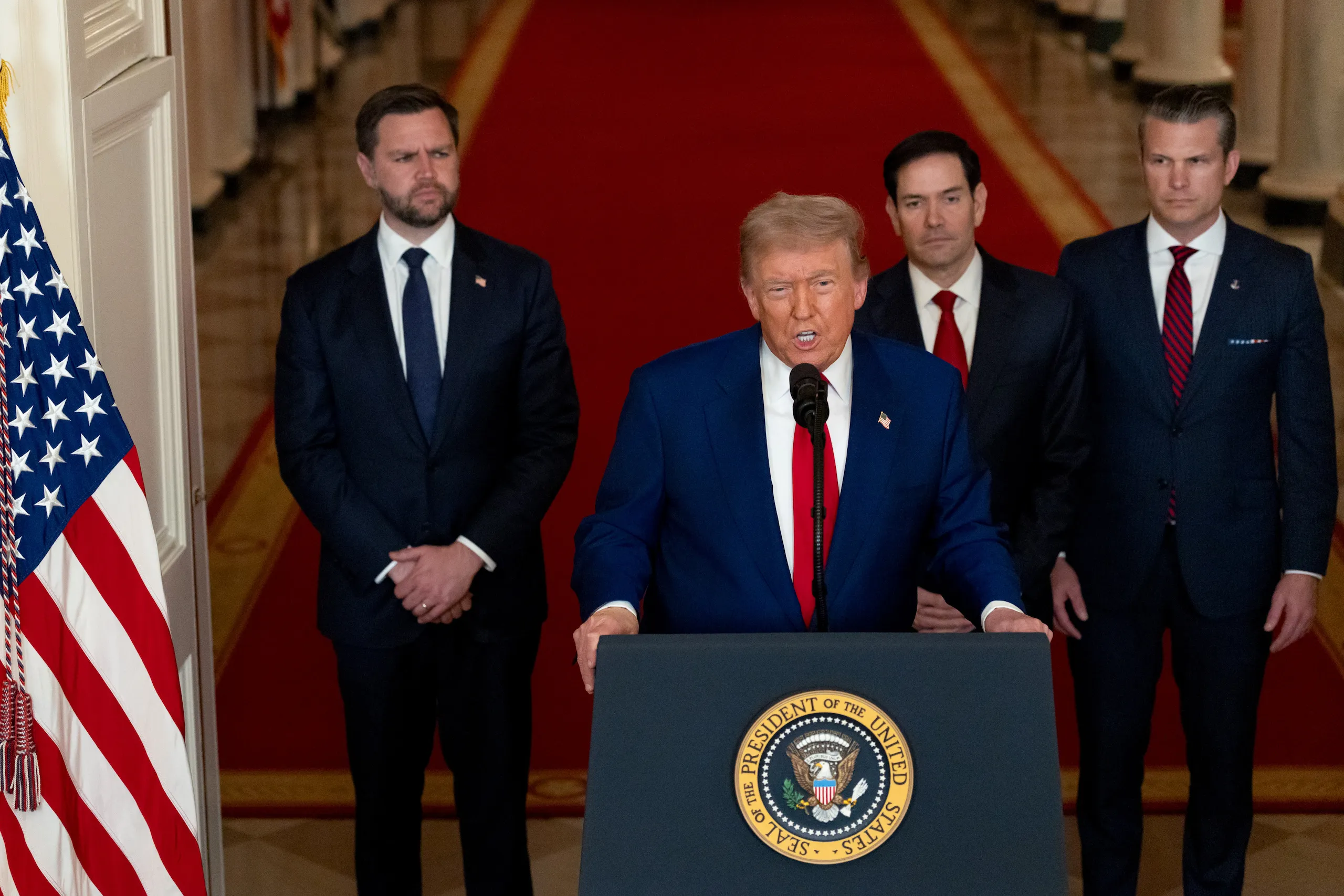
Speaking aboard Air Force One, Trump urged nations heavily reliant on Gulf oil to take responsibility for protecting the strait. “I’m demanding that these countries come in and protect their own territory because it is their territory. It’s the place from which they get their energy,” he said. He noted that his administration has contacted seven countries, including China, France, Japan, South Korea, and Britain, to participate in the effort.
Japanese Prime Minister Sanae Takaichi told parliament that Japan, constrained by its war-renouncing constitution, has no plan to send naval vessels. “We have not made any decisions whatsoever about dispatching escort ships. We are continuing to examine what Japan can do independently and what can be done within the legal framework,” she said.
Australia, another key US ally in the Indo-Pacific, also rejected the idea. “We know how incredibly important that is, but that’s not something that we’ve been asked or that we’re contributing to,” said Catherine King, a member of Prime Minister Anthony Albanese’s cabinet, in an interview with state broadcaster ABC.
Trump also indicated that China’s support would be crucial for reopening the strait and suggested that he might postpone his scheduled meeting with Chinese President Xi Jinping in Beijing later this month if Beijing does not assist. “I think China should help too because China gets 90 percent of its oil from the Straits. We may delay,” Trump told the Financial Times. The Chinese Foreign Ministry did not immediately respond to a request for comment.
In Europe, Trump warned NATO allies that the alliance’s future could be at risk if members fail to support Washington’s efforts. EU foreign ministers are set to discuss the issue but are not expected to extend their small naval mission to the Strait of Hormuz. British Prime Minister Keir Starmer and Canadian Prime Minister Mark Carney have discussed reopening the strait with Trump, while South Korea has said it will review the request carefully.
Although some Iranian vessels and a few international ships have successfully transited the strait, most of the world’s tanker traffic remains effectively blocked due to the ongoing US-Israeli attacks on Iran.