



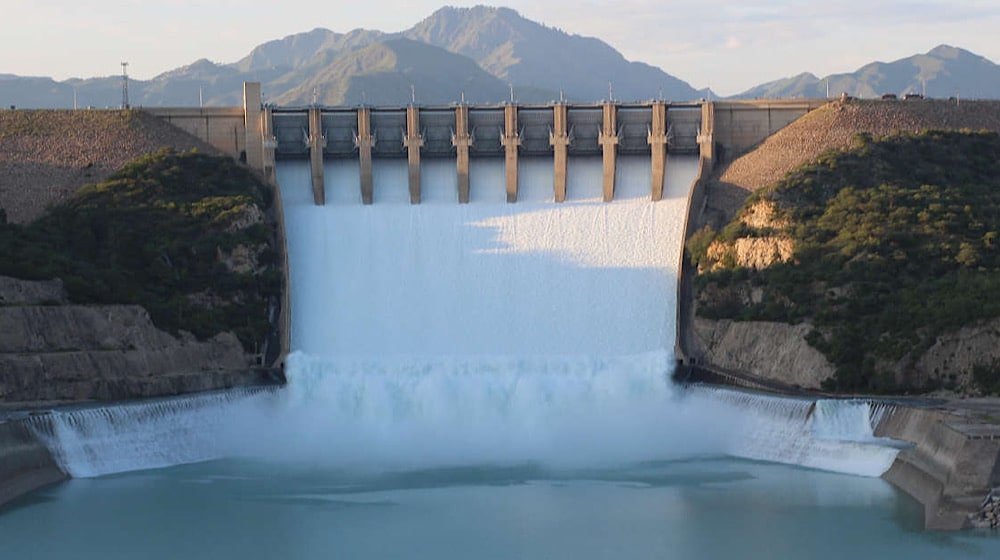
A government-appointed inquiry committee has held WAPDA, the project contractor, and the engineering consultant responsible for the collapse of the cofferdam at the 1,530 MW Tarbela 5 Extension Hydropower Project, citing unauthorized post-contract design changes as a key cause of the failure.
According to the inquiry report, the collapse has pushed the project back by at least two years and sharply increased its estimated cost from Rs. 82 billion to Rs. 317 billion, marking an escalation of more than 285 percent. The Planning Commission has also estimated that the levelized cost of electricity from the project could rise to Rs. 27–28 per unit, potentially making it Pakistan’s most expensive renewable energy project and raising questions over its long-term financial viability.
The project, financed through $700 million in loans from the World Bank and the Asian Infrastructure Investment Bank, is now expected to be completed by June 2028 instead of the original 2026 deadline.
The three-member inquiry committee was led by Federal Flood Commission Chairman and Chief Engineering Adviser Ather Hameed. It found that the contractor proposed an unauthorized redesign of the cofferdam after the contract had already been awarded. The consultant approved the revised design without ensuring technical compliance, while WAPDA endorsed it without properly examining its contractual or engineering validity.
The report concluded that all three parties failed to fulfill their contractual responsibilities, which led to the construction of a vulnerable cofferdam.
The committee rejected the claim that flooding caused the collapse. It noted that river flows at the time remained within historical levels and should have been manageable under the original design. Instead, the failure was attributed to weak protection layers, inadequate filter arrangements, and the replacement of the original design with a weaker rock-filled structure.
The inquiry also raised concerns over project oversight. It noted that WAPDA had requested a performance review of the cofferdam in July 2023, but the consultant handed the task to the contractor instead of conducting an independent assessment. The contractor submitted its review more than a year later, in October 2024.
Investigators also identified alleged irregular payments for temporary works, which they said weakened the government’s position in pursuing compensation after the collapse.
The report further criticized the role of the project consultant, MM Pakistan BIDR China, whose contract was later terminated by WAPDA over staffing issues. It also noted that the consultant withdrew its staff from the project site in May 2025 without giving the required 30-day notice.
The inquiry described the collapse as a major governance and oversight failure in the execution of a multibillion-rupee infrastructure project funded through international loans.