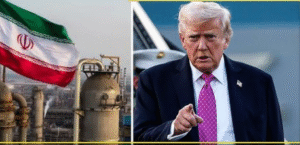





Pakistan is facing potential US pressure to restrict land trade with Iran as the Trump administration seeks to tighten its economic isolation of Tehran.
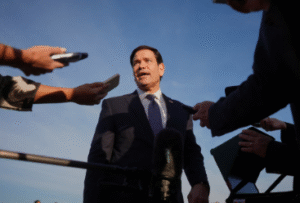
US Treasury Secretary Scott Bessent said earlier this month that Washington was working with Pakistan and Türkiye to shut down land routes used for trade with Iran.
“We’re working with Pakistan and Türkiye to cut off all the land routes,” Bessent said in an interview with Newsmax, describing the effort as an “absolute isolation campaign” against Tehran.
Two Iran Border Crossings Closed
On October 17, Pakistan suspended trade at the Taftan and Gabd-Rimdan border crossings in Balochistan.
Pakistani provincial authorities cited security concerns, while Iranian officials attributed the disruption to technical problems on the Pakistani side.
The suspension left hundreds of trucks stranded and disrupted LPG supplies. Pakistan imports around 7,000 tons of liquefied petroleum gas from Iran daily, with more than 4,000 tons reportedly entering through Gabd-Rimdan.
Agence France-Presse also reported that the United States had asked countries bordering Iran to close their crossings. Iraq shut its Sheeb crossing with Iran on October 21.
What Pakistan Says About US Pressure
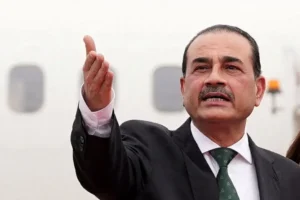
Asked whether American pressure had prompted the border closures, Pakistan’s Foreign Office did not directly confirm or deny the connection.
Spokesperson Sajjad Haider Khan said Pakistan “adheres to and shall continue to adhere to all applicable sanctions regimes.”
The issue has also drawn attention on social media. Iranian academic Seyed Mohammad Marandi claimed on X that Pakistan was facing pressure from US President Donald Trump to close its border with Iran.
Pakistan has since reopened the Gabd-Rimdan crossing to allow LPG tankers and shipments of essential goods to move again. However, the resumption of limited trade does not mean all commercial activity has returned to normal.
The extent to which US pressure has influenced Pakistan’s border policy remains unclear.