



US President Donald Trump has said the US-Israel war on Iran is “effectively over” militarily, adding that further military action against Tehran “doesn’t seem to be a very necessary thing” at this point.
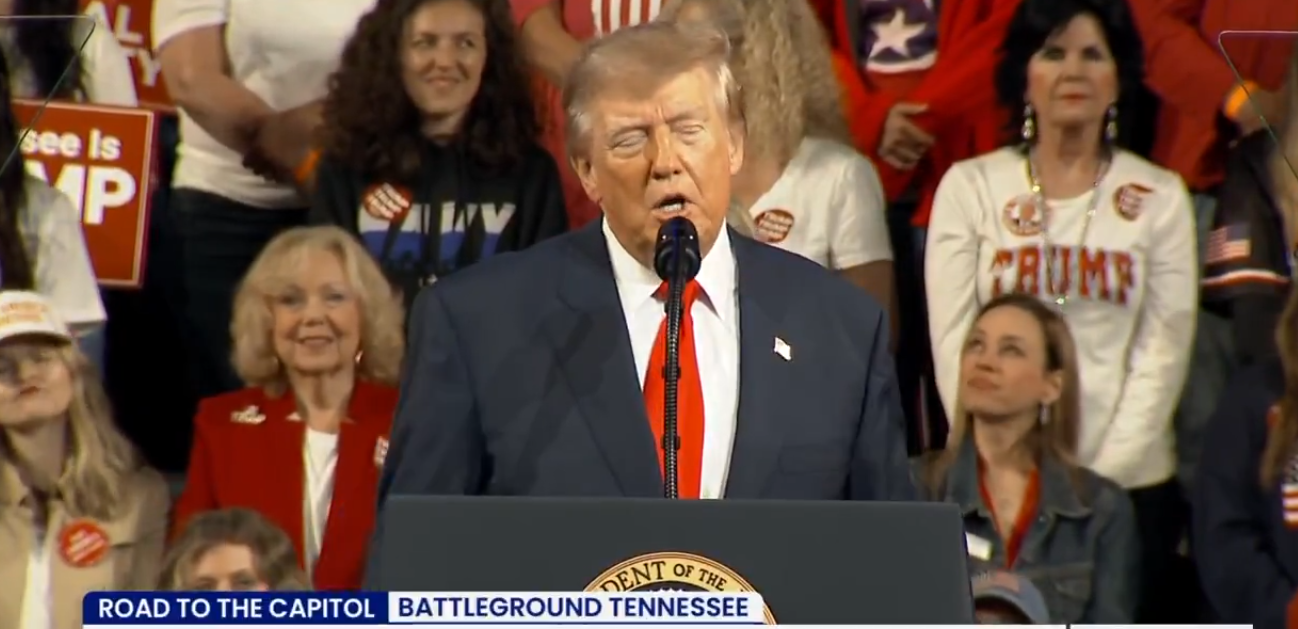
Trump made the remarks on Monday during a surprise appearance in the White House briefing room, shortly after meeting Qatar’s Prime Minister Sheikh Mohammed bin Abdulrahman bin Jassim Al Thani.
“Iran militarily is effectively over. We’re just keeping it the status quo,” Trump told reporters. He also said Iran had been “decapitated.”
No New Strikes for Now
Trump said he saw “positive momentum” and a “good chance” that the war could end. “They’re talking to us, and they’re talking very politely, and we’ll see what happens,” he said.
However, he did not rule out a return to fighting. “The military action doesn’t seem to be a very necessary thing, but we’re locked and loaded, ready to go for any reason that changes,” he said.
The comments are among his clearest signals yet that he is moving away from threats to resume strikes after the US midterm elections. Qatar and other Gulf states have urged Washington not to restart the fighting.
Naval Blockade Stays in Place
Trump gave no sign of pulling back the thousands of US troops deployed in the waters off Iran. He said the US naval blockade, which aims to stop Iranian oil from reaching global markets, will continue.
“We’re keeping it going. We have the greatest military blockade ever,” he said.
Trump also said a long-term solution is still needed to make sure Iran cannot build a nuclear weapon.
Iran’s Conditions
Tehran, for its part, has set several conditions before it will hold nuclear talks. These include ending the US blockade of its ports, lifting sanctions, unfreezing its assets, paying compensation for war damage and ending hostilities across the region, including Israeli operations in Lebanon.
Trump has often said a peace deal with Iran was close. In a CNN interview on Sunday, he said that if talks progress and Iran signs a “strong agreement,” it is “highly unlikely” the US would need to resume strikes. He added that the US had identified infrastructure targets, including 38 bridges, it would hit if fighting restarts.
The war began on February 28 with US-Israeli strikes on Iran.
What It Means for Pakistan
For Pakistan, any pause in the fighting carries immediate stakes. The conflict has kept global oil markets on edge and added pressure on shipping routes through the Gulf — twin risks for a country that imports the bulk of its crude and refined fuel and has already been grappling with a supply crunch in liquefied petroleum gas after its border crossings with Iran were closed on security grounds. A sustained de-escalation would ease the pressure on the country’s import bill heading into winter, while a resumption of strikes would reverse those gains quickly.