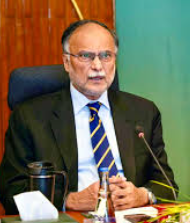





Commercial banks in Pakistan plan to spend Rs. 100 billion from their own funds during fiscal year 2026-27 to attract more remittances and make it easier for overseas Pakistanis to send money home, Pakistan Banks Association (PBA) Chairman Zafar Masud has said.
Speaking at a media meeting at the Karachi Press Club, Masud said banks had decided to finance the initiative after the government ended subsidies for remittance transactions.
He said sending $200 to Pakistan costs overseas workers around 18 to 20 riyals in transfer charges. Banks are now covering these expenses from their own profits to encourage more Pakistanis abroad to use formal channels.
The banking sector has also set aside Rs. 16 billion for the Pasban Remittance Reward Scheme. The programme aims to encourage overseas Pakistanis to send money through banks and gives their families in Pakistan a chance to receive prizes.
PBA Chief Executive Officer Munir Kamal said the scheme was intended to help maintain annual remittance inflows at around $41 billion. He said its first prize draw would take place in January, followed by an audit to ensure transparency.
Masud also outlined the banking sector’s financing in other areas. He said the number of beneficiaries of housing finance had increased to more than 350,000 from 65,000, while the sector’s housing loan portfolio had grown to Rs. 455 billion from Rs. 200 billion over the past two years.
Banks have also continued offering exporters refinancing at a fixed rate of 4 percent despite higher interest rates. Masud said they had provided nearly Rs. 100 billion in subsidies from their own resources under the scheme.
He said banks were also working on the restructuring of Rs. 1.3 trillion in energy-sector debt over the next two years. The process is expected to reduce electricity costs by nearly Rs. 3 per unit once completed.
The banking sector has committed to raising annual agricultural financing from Rs. 1.3 trillion to Rs. 3.3 trillion and increasing access to loans for farmers, Masud added.
Kamal said financing for small and medium-sized enterprises had also increased to Rs. 1.2 trillion from Rs. 490 billion over the past couple of years.
Masud called for measures to reduce cash transactions and promote digital payments, including QR-code services, to help bring more economic activity into the documented economy.