





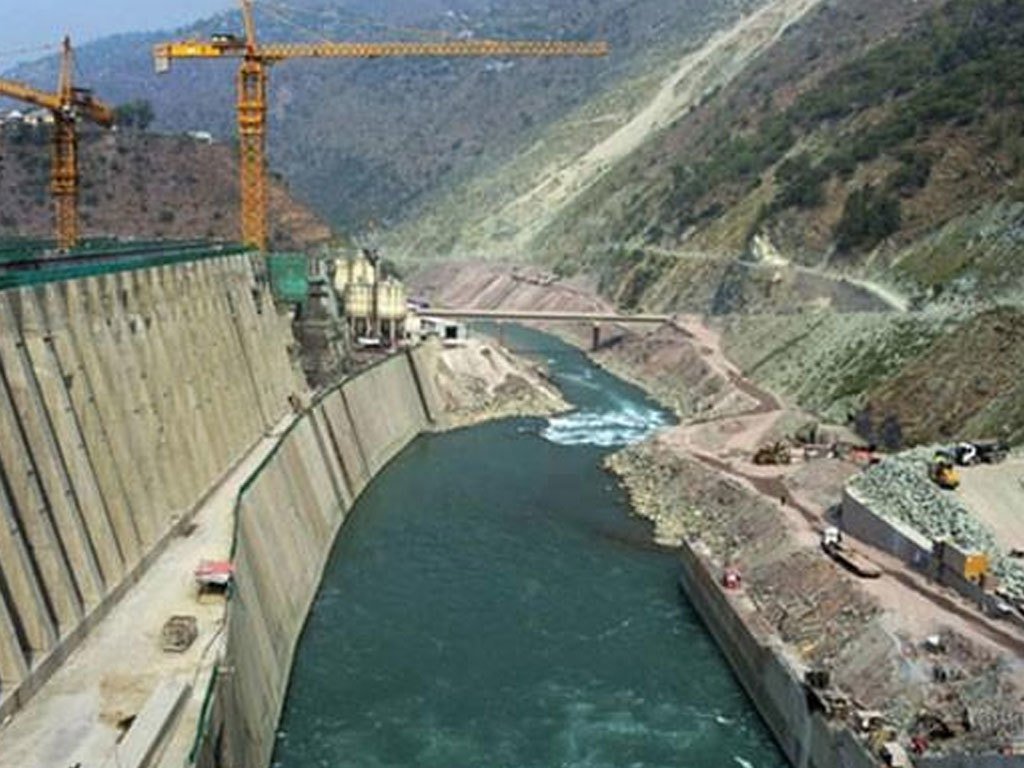
Pakistan’s flagship hydropower projects have been hit by staggering cost overruns, with the Dasu Hydropower Project and the Tarbela Fifth Extension recording increases of 260 percent and 285 percent respectively, as a lethal combination of rupee depreciation, inflation, construction delays, and security costs upends the country’s energy infrastructure plans, the Ministry of Water Resources has disclosed.
The Diamer Basha Dam’s dam component is now projected to cost Rs. 1.122 trillion, a 134 percent jump from the originally approved Rs. 479.7 billion. The ministry attributed the overrun to outdated pricing assumptions in the original project plan, the rupee’s collapse from Rs. 105.3 to roughly Rs. 280 against the US dollar, revised contract costs, updated engineering standards, and additional spending on security and supporting infrastructure. The project’s completion deadline has also been pushed back from February 2029 to December 2030.
The Mohmand Dam has seen its price tag climb 115 percent to Rs. 665.7 billion, up from the approved Rs. 309.6 billion.
The steepest blow, however, has landed on the Dasu Hydropower Project Stage I, where costs have soared 260 percent from Rs. 486.1 billion to Rs. 1.738 trillion. The ministry said nearly 90 percent of Dasu’s cost increase stemmed from factors beyond the project’s control, including currency losses, inflation, higher security costs, social safeguard measures, and financing expenses.
The Tarbela Fifth Extension recorded the highest percentage increase among the four projects, with costs surging 285 percent from Rs. 82.4 billion to Rs. 316.4 billion. Officials noted that the original estimates were based on 2014 prices, while the rupee has since weakened from Rs. 102.5 to around Rs. 281 against the dollar. The project has also been hit by revised civil works, electromechanical and transmission contracts, design modifications, and implementation delays.
The ministry also flagged cost pressures on the Greater Karachi Bulk Water Supply Scheme K-IV Phase I, which has become 36 percent more expensive due to inflation, project delays, additional security requirements, and the higher cost of imported equipment driven by the rupee’s depreciation.
Collectively, the disclosures paint a grim picture of Pakistan’s ability to deliver large-scale infrastructure on budget in an environment of exchange rate volatility and persistent inflation, with the rupee’s decade-long slide from around Rs. 100 to over Rs. 280 against the dollar emerging as the single most destructive force across the portfolio.




