



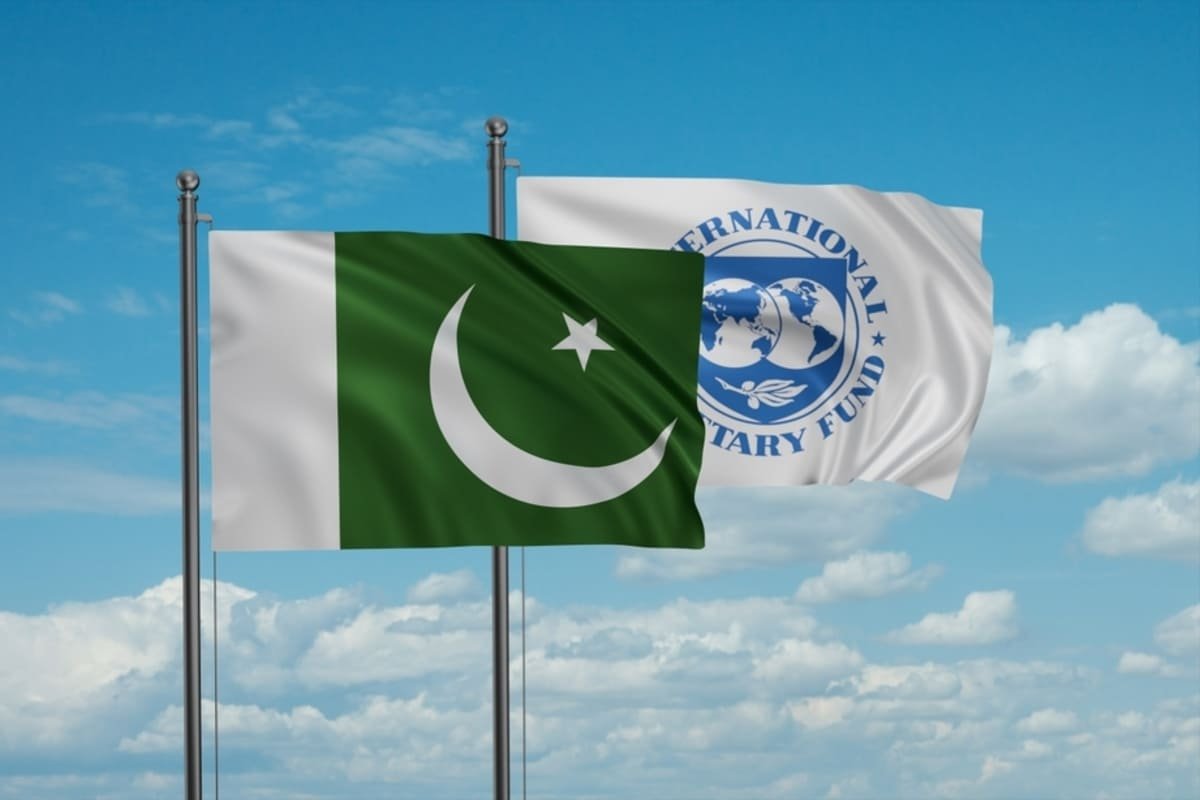
The International Monetary Fund (IMF) has warned that Pakistan’s financial position could weaken in the coming years as rising imports and slower growth in workers’ remittances put pressure on the external sector.
Speaking at the Pakistan Prosperity Forum, IMF Resident Representative Dr. Mahir Binici said the country had made progress in restoring economic stability but still needed stronger financial buffers to withstand external shocks.
He stressed that Pakistan could not rely on short-term stabilisation measures and would need consistent reforms to sustain its economic recovery.
Asked whether Pakistan could avoid returning to the IMF for another programme over the next five years, Binici did not give a definite answer. He instead highlighted the need to address structural weaknesses that continue to make the economy vulnerable.
He identified weak investment in human and physical capital as major obstacles to economic development. Low productivity, limited investment and poor export performance have continued to restrict the country’s growth potential.
Binici also pointed out that Pakistan’s exports account for only around 10 percent of GDP, while a significant share of its workforce remains employed in agriculture, where productivity is relatively low.
He said the country’s external account weaknesses were linked to deeper economic problems, including the imbalance between national savings and investment.
The IMF representative called for improvements in taxation, trade policy and external sector management. He also stressed the importance of developing a broader and more predictable tax system.
He warned that Pakistan’s limited financial buffers could leave it exposed to international developments, including geopolitical tensions, higher commodity prices and disruptions in global trade.
Meanwhile, Minister of State for Finance and Revenue Bilal Azhar Kiani called for a review of the National Finance Commission (NFC) resource distribution formula.
He said genuine devolution of responsibilities needed to be ensured and argued that cash transfers alone were insufficient to address the country’s long-term economic challenges.
Economist Rizwan Ranjha criticised IMF programmes, saying some of the Fund’s conditions and policy recommendations had negatively affected economic growth.
British High Commission Senior Economic Adviser Louie Dean said Pakistan needed stronger export growth to achieve sustainable economic development.
He also called for improvements in the country’s regulatory framework and product testing facilities to help Pakistani businesses meet international standards and compete in global markets.