




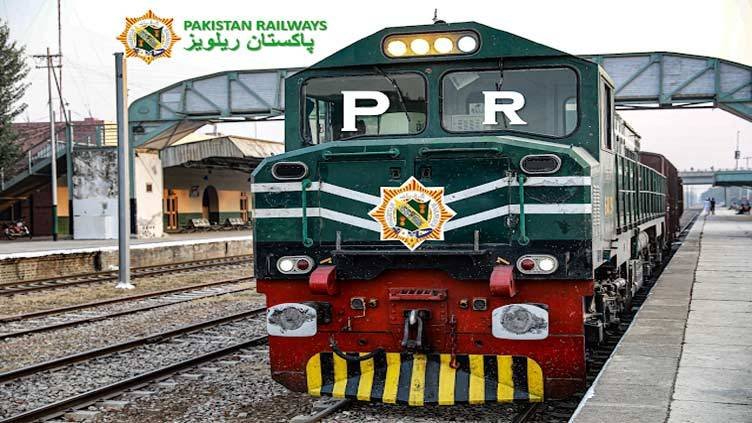
(ML-1), which is expected to reduce rail transit time between Karachi and Peshawar from 70–90 hours to around 25–30 hours.
The project will increase railway capacity and improve freight handling, allowing more goods to move between major industrial areas and the country’s ports.
The upgraded line is also expected to include a dedicated freight corridor, helping shift cargo from roads to rail and easing pressure on the highway network.
Improved ML-1 connectivity could also support the commercial operation of ML-2 and ML-3 and provide better links to Attock, Quetta, Taftan and mineral-rich areas.
The improved network is expected to facilitate the transportation of minerals and other industrial goods while strengthening Pakistan’s overall logistics infrastructure.
The Special Investment Facilitation Council is facilitating efforts to advance the strategic railway project as part of broader plans to improve connectivity and support economic activity.