



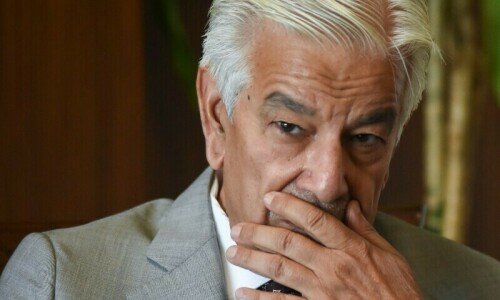
Pakistan could move towards a public referendum on creating new provinces in early 2027, with Defence Minister Khawaja Asif expecting political discussions on the proposal to reach a conclusion by the end of this year.
Speaking on ARY News programme Sawal Yeh Hai on Sunday, Asif said negotiations were unlikely to drag on for several more months. He indicated that the next stage could begin in the first part of next year but did not give a confirmed date.
He said the government was working on a joint proposal that would incorporate the views of different political parties and other stakeholders. The objective is to develop a mutually acceptable plan before taking the matter forward.
Government Wants Political Consensus
Asif said the government also wanted the Pakistan Peoples Party (PPP) to support the proposal. He explained that the referendum would present a clear question outlining the purpose of creating new provinces, allowing citizens to vote either yes or no.
He acknowledged that political parties and members of the public could have reservations about the plan, adding that such objections were legitimate and should be considered during consultations.
The defence minister also clarified that a referendum would not eliminate the constitutional requirements for creating new provinces. Any proposed constitutional changes would still have to pass through the amendment process prescribed by the Constitution.
Political Debate Over New Provinces Intensifies
The proposal has gained attention following recent calls by Interior Minister Mohsin Naqvi for creating smaller administrative units to improve governance.
On November 12, Naqvi also suggested holding a referendum to determine public opinion on the creation of new provinces.
Minister for Parliamentary Affairs Tariq Fazal Chaudhry has likewise indicated that a referendum on the issue would take place.
However, the proposal has faced resistance from PPP Chairman Bilawal Bhutto-Zardari. He has opposed what he described as an attempt to forcibly divide existing provinces, particularly Sindh.
Asif, meanwhile, believes smaller administrative units could improve public service delivery. He expressed optimism that negotiations between political parties could produce an agreement on the proposed changes.
He had earlier indicated that the coming year could bring a new administrative arrangement if political stakeholders reached consensus.