



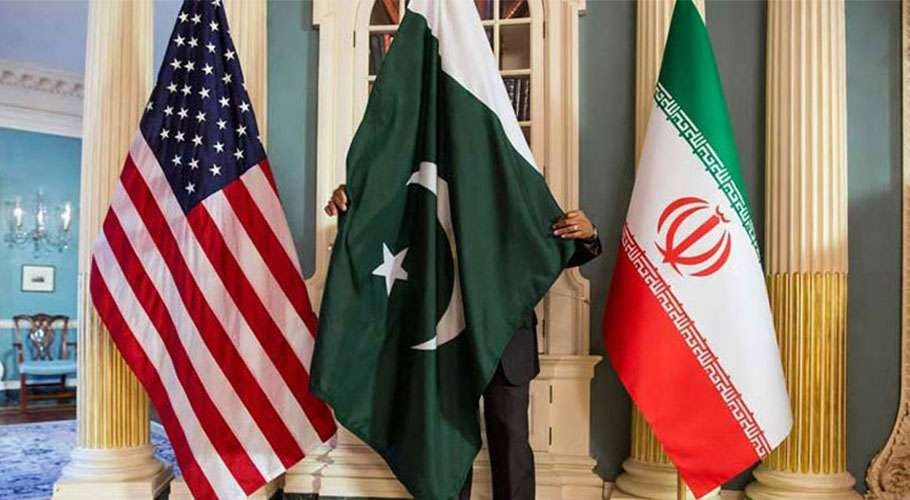
ISLAMABAD: Prime Minister Shehbaz Sharif announced on Monday that the United States and Iran have reached a peace agreement following intensive diplomatic efforts, with an official signing ceremony scheduled for June 19 in Switzerland.
In a statement, the prime minister said both countries had agreed to an immediate and permanent end to military operations on all fronts, including Lebanon. He described the breakthrough as the result of extensive negotiations involving Pakistan and regional partners.
Sharif thanked the United States and Iran for pursuing a diplomatic resolution and acknowledged the support of Qatar, Saudi Arabia and Türkiye in helping secure the agreement. He added that mediators would hold a series of meetings this week to finalize technical arrangements before the formal signing.
Iranian Deputy Foreign Minister Kazem Gharibabadi separately confirmed that an agreement with Washington had been finalized, while US President Donald Trump welcomed the development, posting on social media: “Let the oil flow!”
The announcement triggered a strong reaction in global energy markets, with investors anticipating the reopening of the Strait of Hormuz, one of the world’s most critical oil shipping routes.
Brent crude, the international benchmark, fell about 4% to $83.81 per barrel in early Asian trading, while US crude dropped nearly 5% to $80.89.
The Strait of Hormuz carries roughly 20% of global oil and liquefied natural gas shipments and had faced severe disruption during the conflict. Concerns over supply shortages had previously pushed oil prices sharply higher, with Brent crude rising from around $70 per barrel before the war to nearly $120 at its peak.
US Senator Lindsey Graham welcomed reports that an understanding had been reached to reopen the Strait of Hormuz but said Congress would closely examine any final agreement involving Iran’s nuclear programme. He also noted that differences appeared to remain between how Washington and Tehran view the deal.
Despite the market optimism, analysts warned that uncertainty could persist until the full terms of the agreement are disclosed. Energy experts also cautioned that shipping traffic through the Strait of Hormuz may take weeks or even months to fully normalize due to security concerns, clearance operations and a backlog of vessels waiting to pass through the waterway.
Asian stock markets advanced on the news, with Japan’s Nikkei 225 rising more than 4% and South Korea’s Kospi gaining over 5% in early trading as investors welcomed signs of de-escalation in the region.