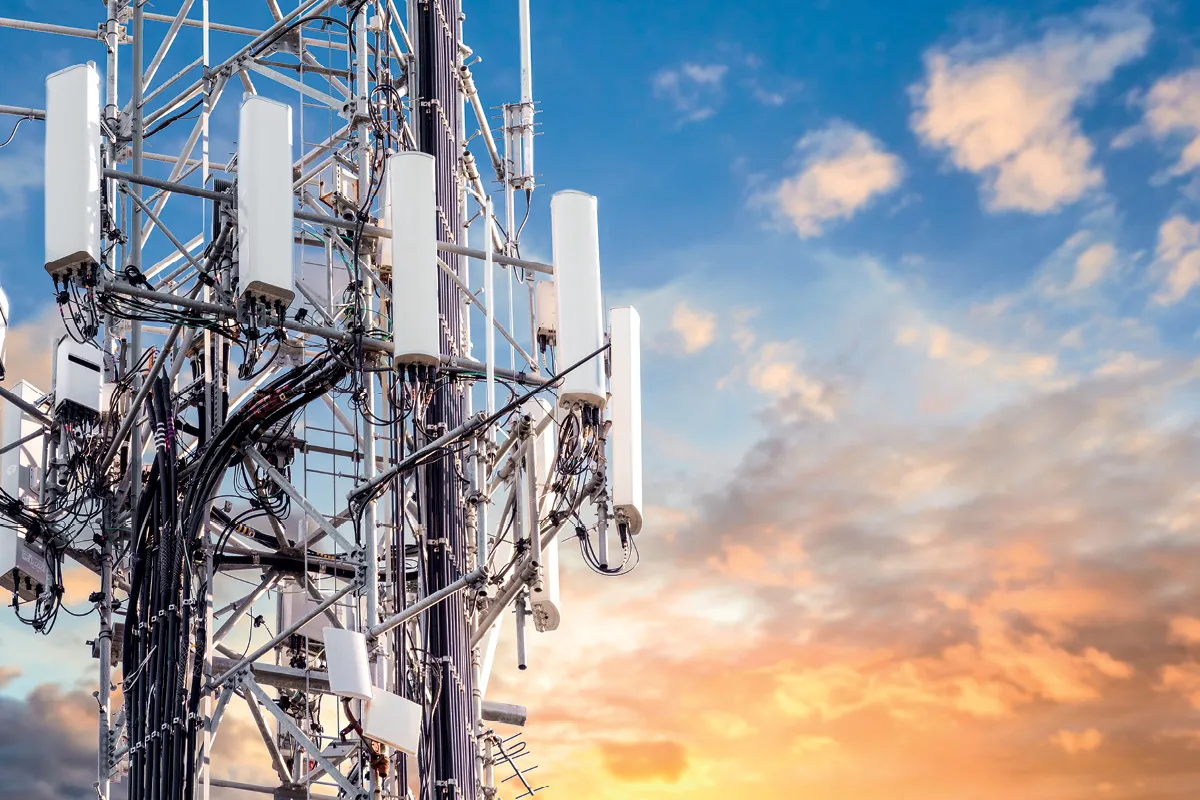
More than 9,200 incidents of theft and vandalism targeting telecom infrastructure were reported across Pakistan over the past 11 months, disrupting mobile and internet services and affecting nearly 16 percent of the country’s cellular network, according to a report submitted by the Pakistan Telecommunication Authority (PTA) to the Senate Sub-Committee on Information Technology and Telecommunication.
The report revealed that mobile operators have faced widespread diesel theft, equipment theft, and deliberate damage to telecom towers, resulting in service disruptions and increased operational costs in multiple parts of the country.
Sindh reported the highest number of cases, with 3,938 incidents across 31 districts. Punjab followed with 2,827 cases in 38 districts, while Khyber Pakhtunkhwa recorded 1,668 incidents across 25 districts. Balochistan registered 716 cases in 26 districts.
PTA also highlighted prolonged electricity load shedding as another major challenge affecting network availability. It said the Ministry of Information Technology is working with power distribution companies, NEPRA, and the Power Division to improve electricity supply for telecom sites through dedicated express feeders and smart transformers.
Despite these challenges, the regulator said Pakistan is preparing for a major expansion of its digital infrastructure ahead of the planned 5G rollout. The upcoming spectrum auction is expected to increase available spectrum by more than 200 percent, boosting average 4G download speeds from about 4 Mbps to nearly 20 Mbps, while early 5G services are projected to offer speeds of up to 50 Mbps.
Mobile network operators have also committed to installing 1,000 new sites annually, with one-fifth of them planned for previously uncovered locations. During the past five years, operators have installed or upgraded more than 12,000 mobile sites and introduced technologies such as VoLTE, VoWiFi, and Massive MIMO as part of the ongoing transition away from 3G.
The PTA added that it is expanding connectivity through Universal Service Fund (USF) projects, increasing the fiber-to-site ratio from 20 percent to 35 percent, enabling national roaming along highways, and pursuing an exemption for telecom infrastructure from Right of Way (RoW) charges. The regulator has also instructed mobile operators to strengthen security at telecom sites, enhance network monitoring, and reduce downtime to improve service reliability.