



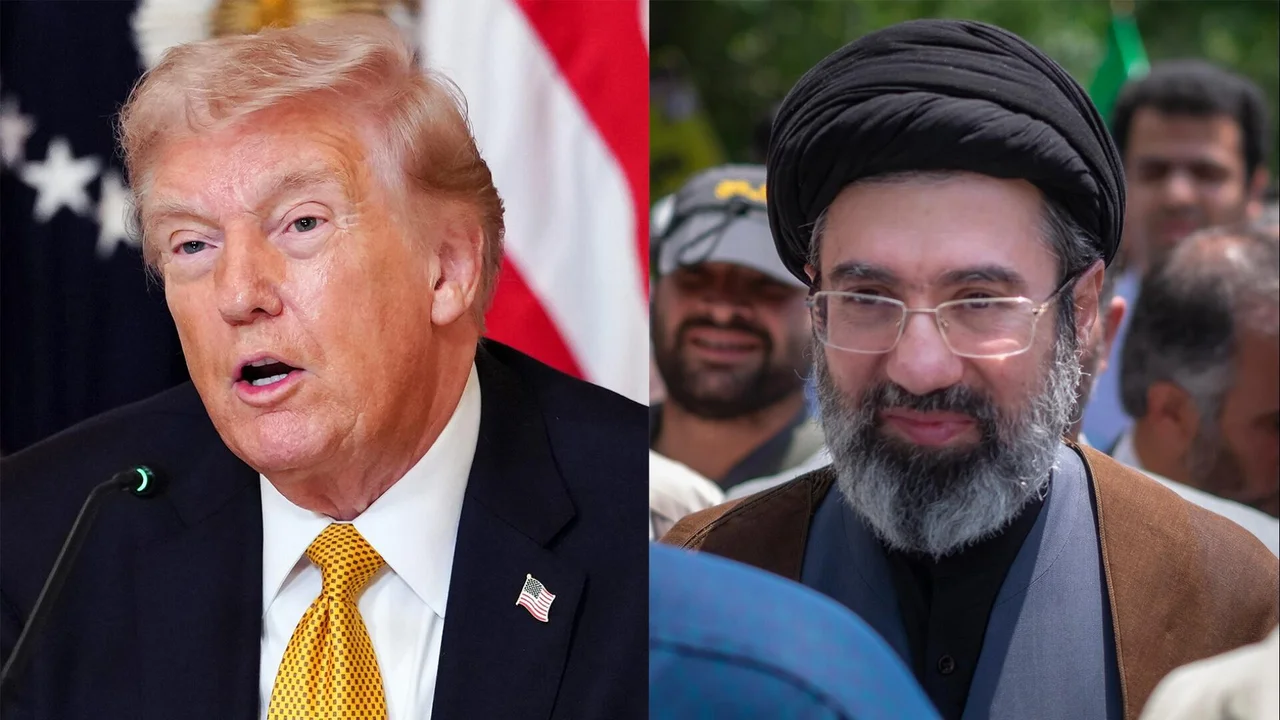
US Secretary of State Marco Rubio said President Donald Trump preferred a diplomatic resolution to the conflict rather than further military action.
Rubio said Trump had not yet decided whether to pursue additional military operations but remained confident in the US military’s ability to respond if necessary.
Iranian officials have also indicated that an agreement remains possible following two days of negotiations mediated by Qatar, according to Al Jazeera. However, Tehran has stressed that any deal must involve the practical implementation of the demands under discussion.
These developments come amid reports that Washington and Tehran are preparing for the possibility of renewed military strikes after the November 3 US midterm elections.
Reports by The Wall Street Journal and The New York Times have highlighted US preparations for potential military action against Iran.
Meanwhile, Iranian Supreme Leader Mojtaba Khamenei called on the country’s armed forces on Saturday to respond immediately and forcefully to threats of any nature, regardless of their geographical location.
Middle East Conflict Continues to Threaten Oil Supplies
Despite renewed diplomatic activity, uncertainty surrounding the Middle East conflict and the war in Ukraine continues to weigh on global energy markets.
Attacks targeting commercial vessels and oil refineries in the Middle East have heightened concerns about disruptions to energy supplies.
Continued attacks and civilian casualties in Ukraine have also raised doubts about the possibility of lasting ceasefires.
While hopes of a diplomatic breakthrough have helped ease oil prices, the possibility of renewed military escalation remains a major risk for global crude markets.