




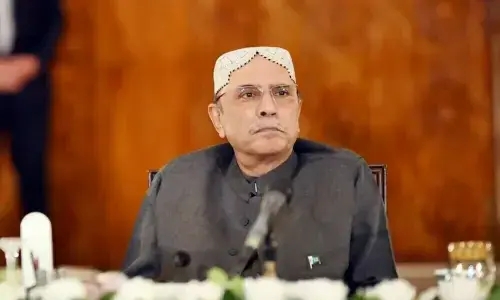
President Asif Ali Zardari has approved five ordinances for Khyber Pakhtunkhwa, removing several legal protections available to provincial lawmakers and giving special committees extensive powers to approve and execute development projects.
The President’s office confirmed the approvals on Saturday. Four of the ordinances were published in the Official Gazette on November 19.
The ordinances have been issued at the federal level because Khyber Pakhtunkhwa has been under emergency and governor’s rule since October 11. The provincial assembly remains suspended, with its legislative authority transferred to Parliament.
KP Lawmakers Lose Arrest Protection and Legal Immunities
The KP Provincial Assembly (Powers, Immunities and Privileges) (Amendment) Ordinance removes 21 of the 40 sections of the existing law, significantly reducing the protections enjoyed by provincial assembly members.
Under the changes, lawmakers no longer have protection against preventive detention or the requirement for the Speaker’s permission before an arrest.
The amendments also remove their protection from civil and criminal proceedings. Additionally, breach of privilege will no longer be treated as an offence under the amended law.
The changes affect provincial lawmakers at a time when several prominent political figures, including Sohail Afridi and Speaker Babar Saleem Swati, have reportedly been in preventive detention since the imposition of emergency rule.
Despite the assembly’s suspension, KP lawmakers have continued receiving their salaries.
Special Committees Get Powers Over Development Projects
Two other ordinances establish special executive committees to oversee development initiatives across the province.
One committee will handle 12 designated districts, while another will cover the remaining areas of KP.
The Prime Minister will nominate members for the committee overseeing the designated districts, while the Governor will select members for the committee responsible for the rest of the province.
These committees will have broad authority to designate projects as urgent, approve PC-Is, issue advance approvals and select executing agencies. The permitted agencies include military formations.
The ordinances also override existing provincial procurement and public-private partnership laws. Civil courts will not have jurisdiction over decisions made under these arrangements.
Madrassah Registration Rules Also Changed
Another ordinance amends the Societies Registration Act to exempt madrassahs registered with the Directorate General of Religious Education under the Federal Ministry of Education from registration requirements under the provincial societies law.
The fifth ordinance deals with the salaries, allowances and privileges of the KP Assembly Speaker and Deputy Speaker.