



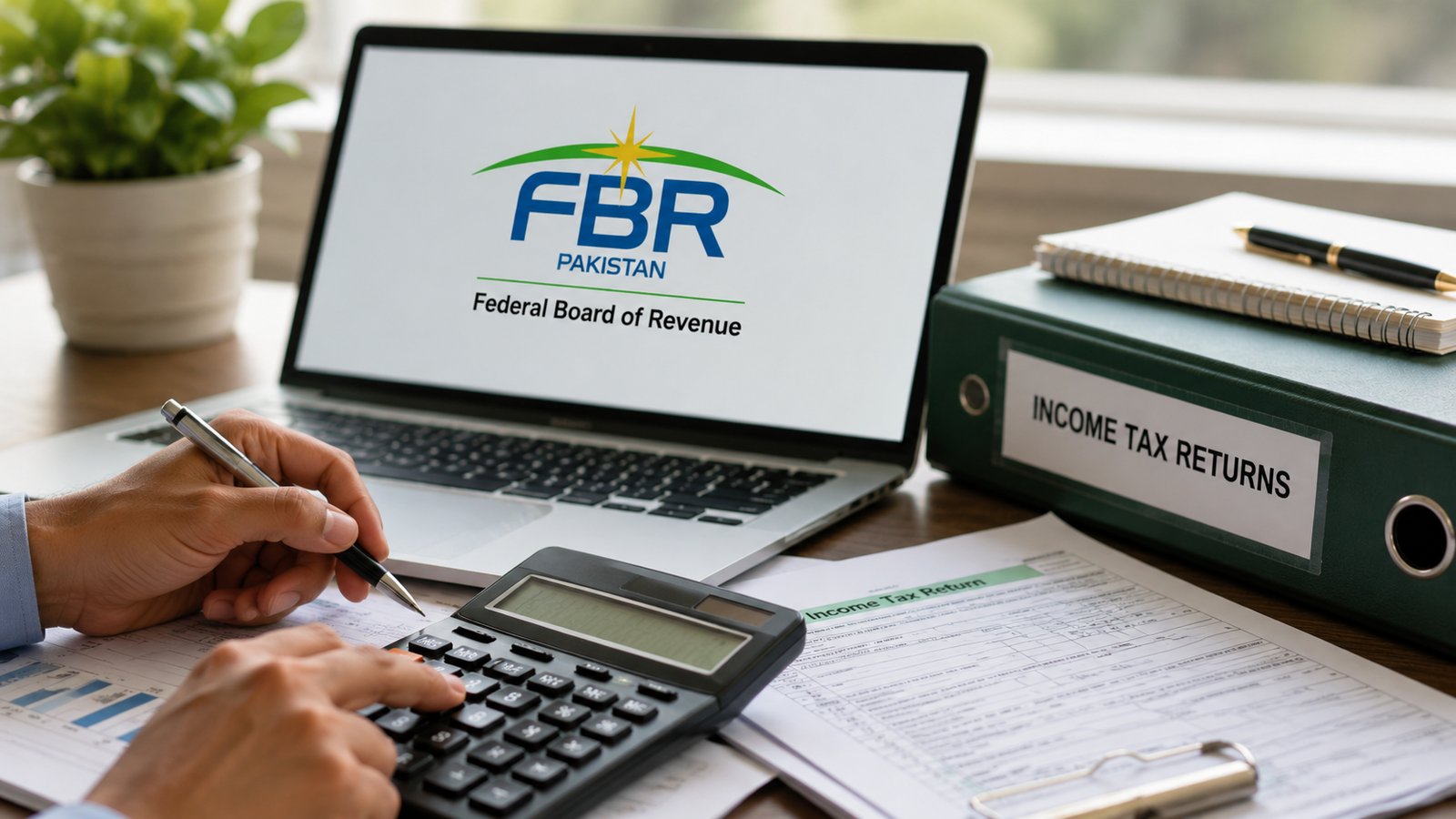
The Federal Board of Revenue’s (FBR) competency tests for Inland Revenue officers have triggered controversy after a report circulating on social media claimed that only around 10 percent of the officers assessed were capable of independently handling tax adjudication cases.
According to the reported results, only 15 out of 150 officers assessed in sales tax and 14 out of 143 officers tested in income tax were declared capable of independently deciding cases.
The assessments cover officers from Grade-17 and above and have so far been conducted in Islamabad and Karachi. The next round is scheduled to take place in Lahore on Tuesday, November 17.
FBR Tests Face Questions Over Legality and Transparency
The reported results of the Karachi assessment have raised concerns about the legal authority, transparency and methodology of the testing process.
Critics argue that a single examination based on prepared case studies may not provide a fair assessment of officers recruited through the Central Superior Services (CSS) examination.
Questions have also emerged over whether the Civil Servants Act, 1973, and relevant service rules allow the FBR to conduct such assessments and recommend restrictions on officers’ statutory responsibilities and postings.
The assessment report itself reportedly acknowledges that its conclusions are based on a single test involving three cases for each tax category. It describes the findings as indicative rather than a definitive measure of officers’ capabilities.
AI Use and Disclosure of Results Raise Concerns
The reported use of artificial intelligence, particularly Claude AI, to prepare case studies and assess answer sheets has also attracted attention. However, the extent of AI involvement has not been independently verified and requires official clarification.
The circulation of individual officers’ names, scores and assessment categories on social media has raised further concerns about confidentiality and the impact on staff morale.
Some critics fear that the results could be used to portray the existing tax administration as ineffective and build support for major changes under the FBR’s transformation programme, potentially creating opportunities for external consultants.
Calls are now growing for an independent review of the assessment process, including its legal basis, testing methodology, use of AI and marking criteria. Critics have also demanded a transparent mechanism through which affected officers can challenge their results.