Japan has demonstrated the production of synthetic liquid fuel using carbon dioxide captured from the atmosphere and hydrogen derived from water, as part of a carbon-neutral fuel development programme led by ENEOS Corporation.
The project was developed at ENEOS’s Central Technical Research Laboratory in Yokohama, where engineers built a pilot facility capable of producing small volumes of synthetic petroleum through a combination of carbon capture, hydrogen production, and fuel synthesis technologies.
The process involves capturing CO₂ from ambient air using direct air capture systems, producing hydrogen through water electrolysis powered by electricity, and combining both elements using Fischer–Tropsch synthesis to generate liquid hydrocarbons.
The resulting product is chemically similar to conventional fossil fuels and can be used in existing engines and fuel infrastructure without modification, a feature commonly described as “drop-in” compatibility.
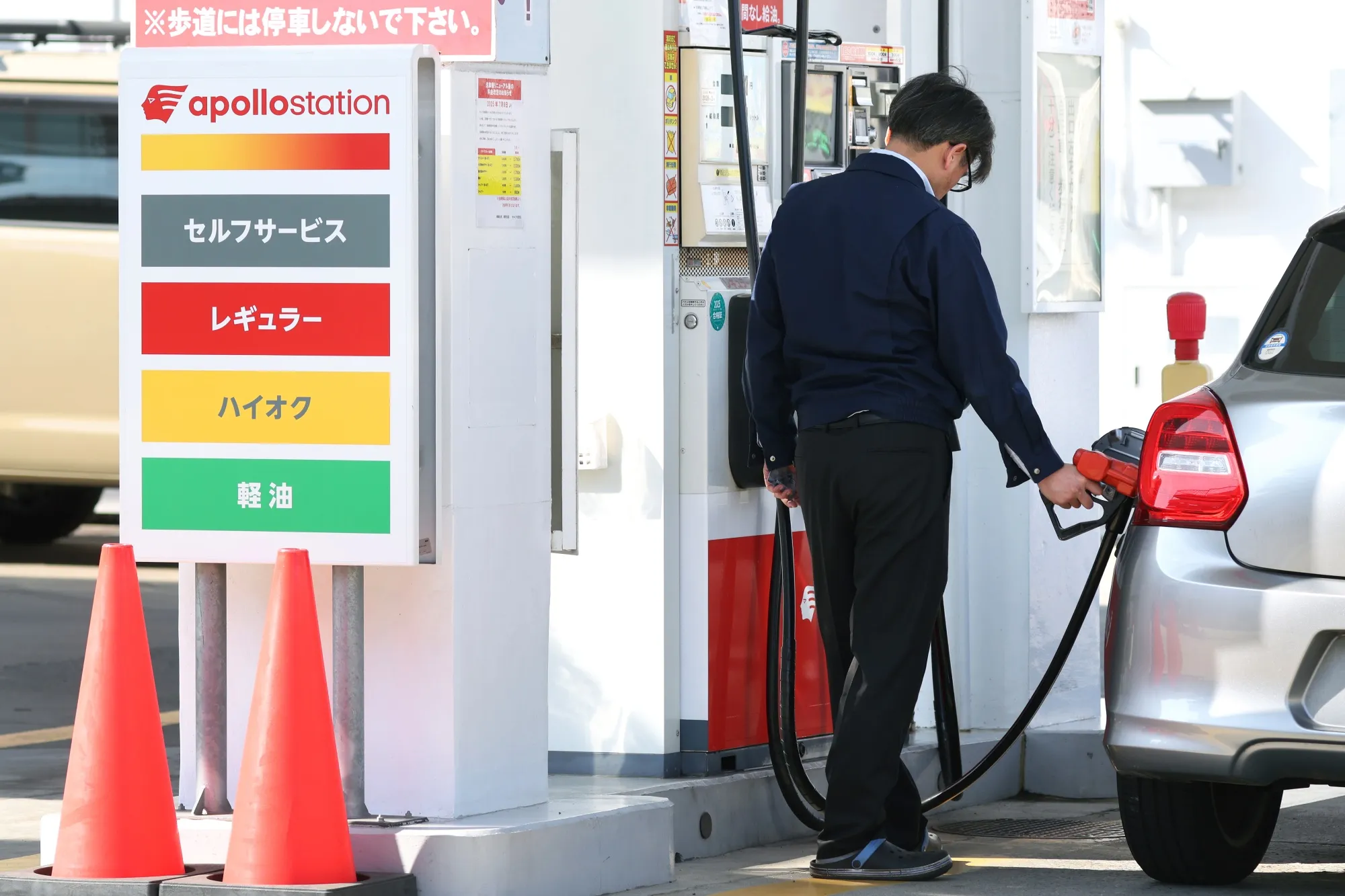
According to project disclosures, the synthetic fuel has been tested in real-world applications, including limited transport trials, demonstrating that it can power conventional vehicles using existing combustion systems.
The demonstration facility is part of Japan’s broader effort to develop carbon-neutral energy alternatives for sectors that are difficult to electrify, such as aviation, shipping, and heavy transport.
However, the technology remains at an early stage of development. Industry assessments indicate that production costs are currently high, primarily due to the large amount of electricity required for hydrogen production, making synthetic fuel significantly more expensive than conventional petroleum-based fuels.
As a result, the project has not yet moved into large-scale commercial deployment, and further work is required to improve efficiency and reduce costs before broader adoption becomes viable.
Despite the economic limitations, the demonstration confirms the technical feasibility of producing liquid fuel from atmospheric carbon and renewable energy sources, a concept being explored globally as part of long-term decarbonisation strategies.