



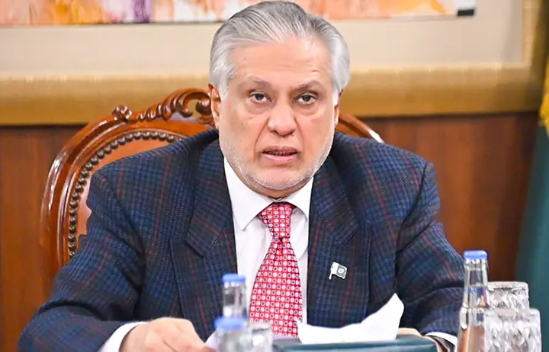
The Ishaq Dar-led steering committee has reached consensus on Pakistan’s new Auto Policy 2026-31 after considering recommendations from the Ministry of Industries and Production, with the finalized policy now expected to be submitted to the ministry before being placed before the federal cabinet, sources told ProPakistani.
The committee has resolved key differences surrounding the proposed policy after reviewing feedback from the automobile industry and other stakeholders, sources said.
The Ministry of Industries and Production will examine the committee’s recommendations before forwarding the policy to the federal cabinet for final approval.
The new framework is expected to set the direction for Pakistan’s automotive sector through 2031, with a particular focus on electric vehicles (EVs), hybrids, local manufacturing, technology transfer and reducing reliance on imported fuel.
The policy process had been delayed following objections from local automakers over several proposed measures. The government had initially developed the new framework after consultations with industry stakeholders, but disagreements led to a review of the proposals.
The previous Auto Industry Development and Export Policy 2021-26 expired on June 30, 2026. Its expiry also ended the earlier tax concession available to hybrid vehicles, resulting in the sales tax rate on hybrid electric vehicles (HEVs) and plug-in hybrids rising from 8.5% to 25% from July 1.
The higher tax increased hybrid vehicle prices, while uncertainty surrounding the replacement policy also led some manufacturers to delay deliveries.
Prime Minister Shehbaz Sharif had subsequently tasked Deputy Prime Minister Ishaq Dar with steering the process of finalizing a new automotive policy.
Industry representatives had called for interim tax relief for hybrid vehicles, citing the limited availability of EV charging infrastructure and the need to strengthen domestic manufacturing before accelerating the transition to electric mobility.
Automobile dealers and other stakeholders supported greater EV adoption but advocated a gradual transition backed by localisation, technology transfer and measures to protect existing investments.
The industry also raised concerns that excessive incentives for EV imports could encourage fully built vehicle imports, weaken local manufacturing, discourage investment and affect employment.
The next stages will focus on the Ministry of Industries and Production’s recommendations and federal cabinet approval, with EV and hybrid taxation, incentives, localisation, imports and the pace of the transition remaining key issues in the final policy framework.