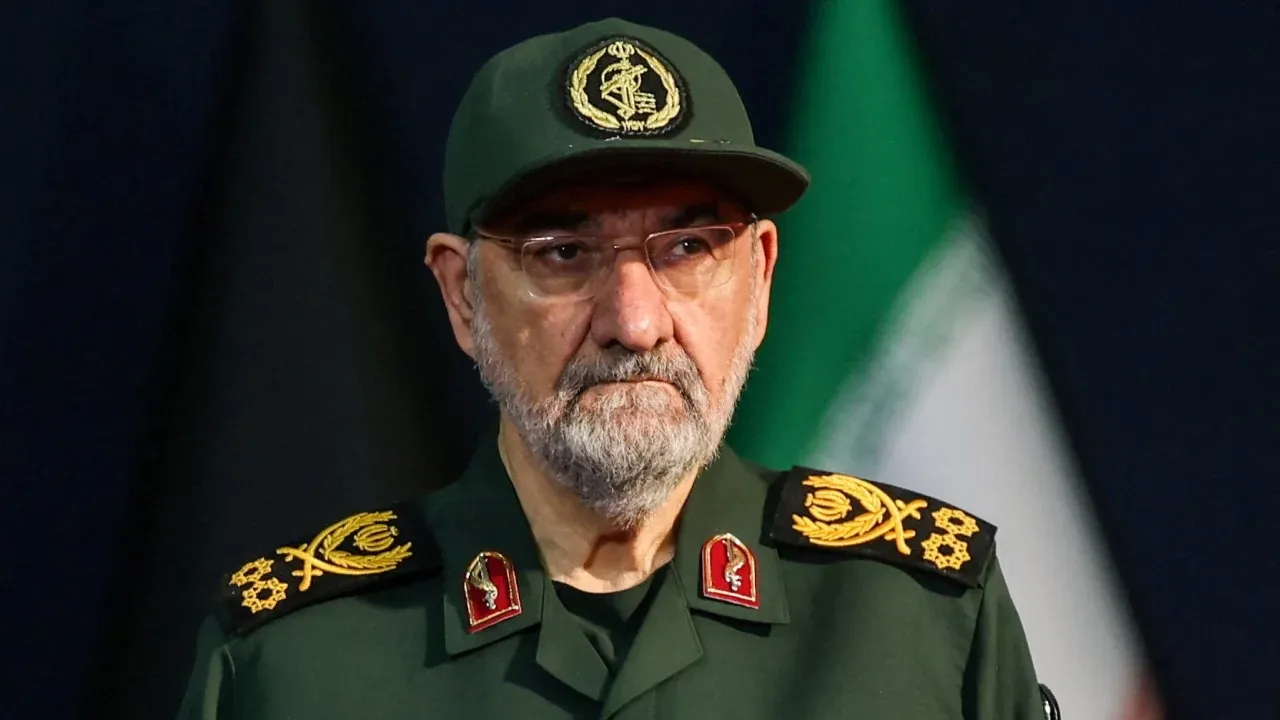
Iran’s Supreme National Security Council Secretary Mohsen Rezaei has ridiculed what he described as a major US miscalculation in the Gulf, saying Washington expected the war to end within days and intended to take control of Iran’s oil and gas resources.
Rezaei said the conflict has instead produced a major disruption to international energy shipping, with around 1,200 oil tankers becoming unusable and more than 15% of the global tanker fleet being taken out of service, according to remarks carried by Iranian state television and reported by international media.
His comments came as the nearly six-month US-Iran conflict continues to disrupt traffic through the Strait of Hormuz, the strategic waterway connecting the Persian Gulf with the Gulf of Oman.
The strait normally carries a significant share of the world’s oil and liquefied natural gas shipments. Since the conflict began with US and Israeli attacks on Iran on February 28, tanker movements through the waterway have fallen sharply.
Reuters reported that only a handful of vessels were crossing the strait on some recent days, while oil shipments have approached a virtual standstill. The disruption has placed major pressure on global energy markets and forced producers and shipping companies to look for alternative routes.
The conflict has also triggered a wider confrontation over control of the Gulf’s shipping lanes. Tehran has repeatedly warned that vessels attempting to pass through the Strait of Hormuz without Iranian approval could face action, while Washington has maintained pressure on Iran and sought to restrict its oil trade.
Rezaei’s latest remarks also come after renewed US-Iran tensions following the collapse of an interim agreement reached in June. The agreement had provided a 60-day framework for negotiations on a longer-term settlement covering Iran’s nuclear programme, sanctions and the status of the Strait of Hormuz. The arrangement failed to produce a permanent agreement.
US President Donald Trump has continued to demand major concessions from Tehran while threatening increased economic pressure. Iran, meanwhile, has warned neighbouring countries against supporting Washington’s economic campaign.
Rezaei has emerged as one of Tehran’s most prominent security figures during the conflict. He was appointed secretary of Iran’s Supreme National Security Council this month, replacing Ali Akbar Ahmadian, in a move that has been viewed as strengthening the influence of hardline security figures.
The tanker figures cited by Rezaei underline the scale of the disruption Iran says the war has created for international shipping. The impact is not limited to Iranian oil exports: restrictions around Hormuz have affected vessels carrying energy supplies from across the Gulf, while shipping costs and risks have risen sharply.
Iran’s central bank governor has separately acknowledged that the country’s oil exports have been halted, highlighting the economic pressure created by the conflict and sanctions.
With the Strait of Hormuz still largely closed to normal commercial traffic and diplomatic efforts showing little progress, the confrontation continues to threaten one of the world’s most important energy corridors.