The report also indicated that Iranian authorities and allied groups are weighing additional measures involving the Strait of Hormuz and the Bab el-Mandeb Strait, two critical waterways for global energy shipments and international trade.
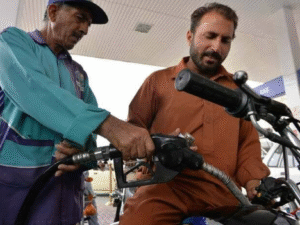
The developments triggered renewed concerns in commodity markets, with oil prices climbing as investors assessed the possibility of further disruptions to crude exports from the Gulf region.
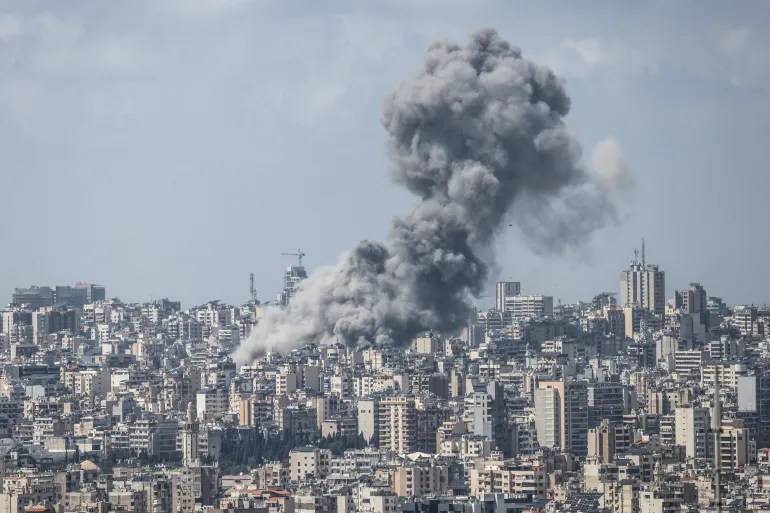
The latest tensions come amid continued military exchanges involving Iran, Israel, and the United States, despite efforts to maintain a ceasefire. Israeli operations against Hezbollah targets in Lebanon have also intensified in recent days, adding to uncertainty across the region.
Iranian Foreign Minister Abbas Araghchi reiterated that any ceasefire arrangement should apply across all fronts, warning that violations in one area could undermine the broader agreement.
The Strait of Hormuz remains one of the world’s most important energy corridors, handling a significant share of global oil exports. Any move to further restrict traffic through the route could have major implications for energy markets, shipping activity, and fuel prices worldwide.
While diplomatic channels remain open, the latest statements suggest a widening gap between the parties as the conflict enters a more uncertain phase.