





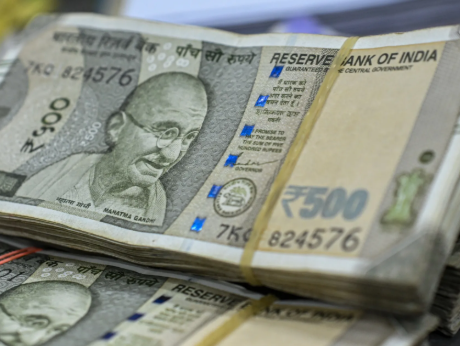
The Reserve Bank of India (RBI) intervened in the foreign exchange market on Monday by selling US dollars after the rupee weakened sharply amid a surge in global oil prices.
According to traders quoted by Bloomberg, the central bank sold dollars in both onshore and offshore markets as the rupee slipped as much as 0.2 percent to 96.4575 per US dollar, approaching its record low of 96.9650 touched in late May.
The currency came under fresh pressure after Brent crude rose above $90 per barrel, extending gains of more than 20 percent over the past two weeks amid escalating tensions between the United States and Iran.
India, which imports more than 80 percent of its crude oil needs, is particularly exposed to higher energy prices. Rising oil costs increase demand for US dollars from importers, inflate the country’s import bill, widen the trade deficit, and weigh on the rupee.
The latest intervention follows a series of measures announced by the RBI in June to support the currency. These included easing investment rules for domestic bonds and introducing incentives for non-resident Indians to increase foreign currency deposits. While those steps initially strengthened the rupee, the gains have since been erased by the sustained rise in oil prices.
Barclays said elevated crude prices and stronger dollar demand from importers are likely to keep the rupee under pressure. The bank expects foreign currency deposits from non-resident Indians to increase in the coming months, although inflows may not meet market expectations.
The RBI has not officially commented on Monday’s market operations. The central bank typically intervenes to curb excessive volatility in the currency market rather than defend a specific exchange rate.




