




Hybrid vehicle prices have started rising in Pakistan after the government increased the general sales tax (GST) on hybrid electric vehicles (HEVs) from 8.5% to 25%, while the new Auto Policy 2026-31 remains pending despite the previous policy expiring on June 30.
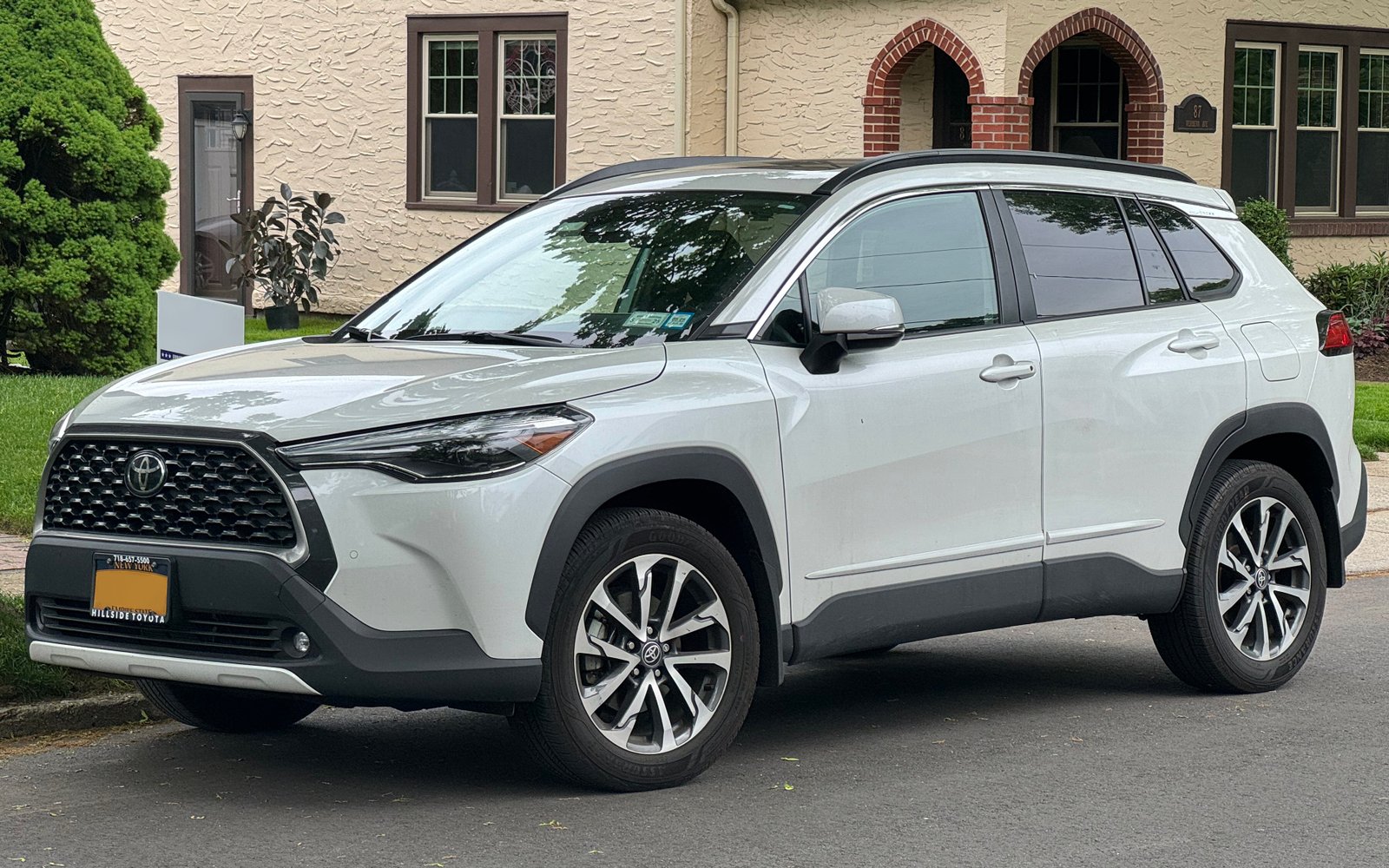
Indus Motor Company has increased the prices of its two Toyota Corolla Cross Hybrid variants by Rs1.364 million and Rs1.314 million, taking their prices to Rs10.299 million and Rs9.849 million, respectively.
Honda Atlas Cars has also raised the price of its HR-V e:HEV by Rs1.37 million, with the model now priced at Rs10.369 million.
Meanwhile, several other assemblers have reportedly suspended invoicing and deliveries of hybrid vehicles, anticipating either the announcement of the new Auto Policy or a possible revision in the 25% GST rate.
Dealers warn that the steep increase—adding roughly Rs1.3-1.9 million to the cost of a hybrid vehicle—could significantly reduce consumer demand and undermine the government’s goal of encouraging fuel-efficient vehicles. Plug-in hybrid electric vehicles (PHEVs) are also expected to become more expensive due to the higher tax.
The Auto Policy 2026-31, which was expected to take effect on July 1, has yet to be notified. During the federal budget speech, Finance Minister Muhammad Aurangzeb said the policy was being reviewed by a committee formed by the Prime Minister and would be presented after approval by the federal cabinet.
Despite the delay, the government has extended tax incentives on imports of completely knocked down (CKD) kits for electric vehicles, including electric bikes, three-wheelers, cars and buses, until June 30, 2027.
Separately, the government has implemented the second phase of tariff rationalisation under the National Tariff Policy 2025-30, reducing regulatory duty, customs duty and additional customs duty on a range of imported automotive products. However, analysts say these reductions are unlikely to provide meaningful relief to local assemblers, as most already import CKD kits under concessionary duty regimes.