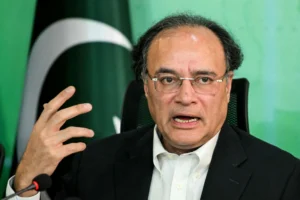




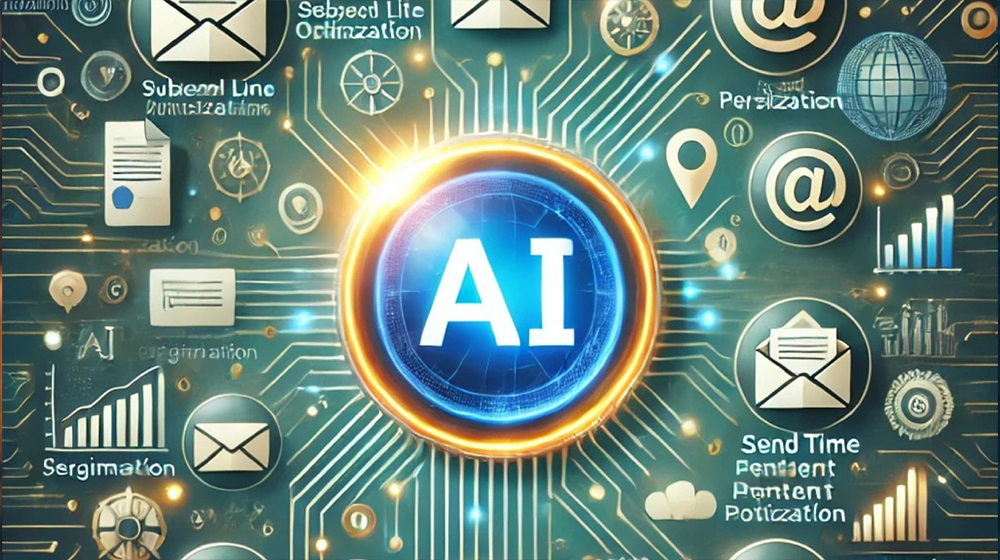
The federal government plans to introduce an artificial intelligence driven tax administration system that will significantly reduce human interaction between tax officials and taxpayers, Finance Minister Muhammad Aurangzeb announced on Tuesday.
Speaking at a banking summit in Karachi, Aurangzeb said Parliament has approved a new tax administration operating model under which tax notices will be issued through AI powered systems. He said the initiative aims to minimize human intervention, improve transparency, and modernize tax administration.
The finance minister said the new model is part of broader reforms to strengthen tax collection while making the system more efficient and predictable for taxpayers.
Aurangzeb also said Pakistan is preparing to return to international debt markets with additional Eurobonds and sukuk, including dollar settled, rupee linked bonds. He said the government has already invited international investors to assess demand and pricing for the planned issuances.
Highlighting recent progress, he said Pakistan successfully returned to international capital markets after four years and that strong investor demand enabled the government to increase the size of its latest Eurobond issuance to $750 million.
He also described Pakistan’s inaugural Panda Bond as a major milestone after years of efforts to access China’s financial markets.
The finance minister said the government remains focused on export led growth, tax reforms, and expanding financing for small businesses, agriculture, manufacturing, construction, information technology, and exporters to support long term economic growth.
Speaking at the same event, Pakistan Banks’ Association Chairman Zafar Masood said the banking sector contributes more than Rs. 1 trillion in taxes annually.
He added that lending to agriculture increased 39 percent over the past year, housing finance rose 90 percent, while lending to small and medium enterprises grew 111 percent, with the total amount disbursed to SMEs increasing 80 percent.