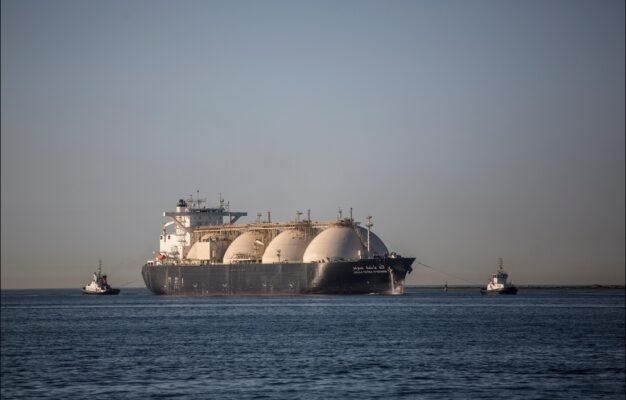
Pakistan has finalized a higher-priced LNG purchase while turning down cheaper bids in the latest procurement cycle, as officials factor in expectations of improved shipping conditions through key regional routes, including the Strait of Hormuz.
State-owned Pakistan LNG Limited (PLL) approved a revised offer of $18.4 per million British thermal units (mmBtu) from TotalEnergies for delivery between April 27 and 30. The company had initially quoted $18.88 per mmBtu but reduced its price after discussions.
Although multiple suppliers submitted lower bids for different delivery windows in May, PLL rejected all alternative offers after internal review of supply timing and market conditions.
Among the bids not accepted, Vitol Bahrain offered $18.54 per mmBtu, while OQ Trading submitted the lowest rate of $17.997 per mmBtu for a later delivery period.
Officials indicated that procurement decisions were influenced not only by price but also by expectations that regional shipping routes could stabilize in the near future, particularly with hopes of improved conditions in the Strait of Hormuz, a critical global energy corridor.
The LNG purchases were made under urgent arrangements as Pakistan continues to face significant pressure on its power system, with electricity shortfalls exceeding 4,500 megawatts in peak demand hours and resulting in load-shedding in several areas.
Earlier, PLL had issued emergency tenders for multiple LNG cargoes to support power generation during rising seasonal demand. The bidding process was conducted on an accelerated timeline, with offers received and opened on April 24.
The country’s energy supply challenges have been compounded by disruptions in global LNG shipping patterns, which previously affected deliveries in the Gulf region.
Including taxes, terminal charges, and regasification costs, the effective price of imported LNG is expected to approach $23 per mmBtu, significantly higher than recent averages.
According to data from the Oil and Gas Regulatory Authority (OGRA), RLNG prices have recently increased due to higher infrastructure charges and reduced cargo volumes, which have raised overall costs in the supply chain.
Officials say Pakistan continues to rely on long-term LNG agreements, particularly with Qatar, which provide comparatively lower base prices. However, total landed costs have risen due to reduced shipment frequency and system-level constraints.
Energy authorities add that while solar power has helped ease daytime electricity demand, pressure on the grid continues after sunset, keeping reliance on LNG-based generation elevated during peak hours.