Pakistan is now witnessing a growing debate over how the government and the public view rising petrol prices.
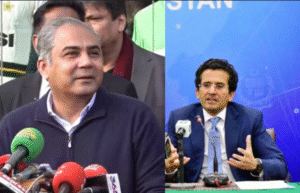
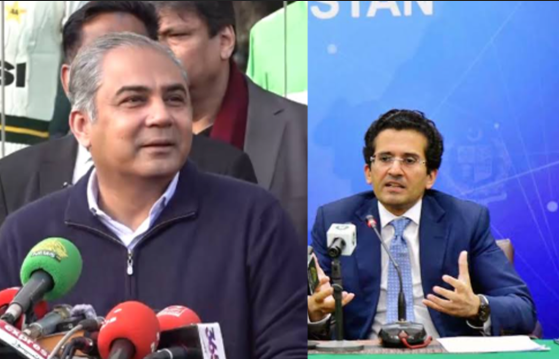
Interior Minister Mohsin Naqvi has backed Petroleum Minister Ali Pervaiz Malik’s warning that petrol could eventually reach Rs. 1,000 per litre. Naqvi said the concern is valid, pointing to fuel shortages in several countries.
The global oil shock is real. But for consumers already paying nearly Rs. 400 per litre, another question matters just as much: how much of that shock should they absorb when the government itself collects more than Rs. 100 in taxes and duties on every litre?
The 80 Percent Argument
Ali Pervaiz Malik’s claim that international oil prices have risen by around 80 percent is broadly linked to the movement in Dubai crude.
Dubai crude stood at around $69.49 per barrel on February 27, while OGRA’s latest pricing calculation uses a Dubai crude Platts average of $124.24. That represents an increase of nearly 79 percent.
So the underlying argument is not without basis. Pakistan’s fuel prices are exposed to international oil prices, and the country has committed to keeping domestic fuel pricing aligned with global markets.
But that is only one side of the calculation.
Where the Government Comes In
Under OGRA’s current pricing structure, taxes and duties account for a significant portion of the retail price.
| Component | Petrol | Diesel |
|---|---|---|
| Petroleum Levy | Rs. 80.00/litre | Rs. 80.00/litre |
| Climate Support Levy | Rs. 5.00/litre | Rs. 5.00/litre |
| Customs Duty | Rs. 19.59/litre | Rs. 15.68/litre |
| Total Taxes and Duties | Rs. 104.59/litre | Rs. 100.68/litre |
| Price Before Taxes and Duties | Rs. 284.55/litre | Rs. 323.36/litre |
| Current Market Price | Rs. 389.14/litre | Rs. 424.04/litre |
This means the government is not simply passing through the international oil price. It is also collecting substantial revenue through the fuel price.
The petroleum development levy is particularly important here. It is a Pakistani government revenue measure, not a tax imposed by the IMF.
The FY2026-27 budget targets Rs. 1.677 trillion in petroleum levy collections.
The Public’s Question
This is also why government fuel consumption cannot be separated from the debate.
When motorists, businesses and households are being asked to absorb higher fuel costs, taxpayer-funded fuel for official vehicles naturally comes under greater scrutiny.
The government has already taken steps to reduce fuel allocations for official vehicles. The broader question is whether non-essential government fuel consumption should face the same pressure being placed on the public.
The IMF’s position is relevant, but not because it directly sets Pakistan’s petrol price. The Fund has repeatedly opposed broad fuel subsidies because of their fiscal cost and has emphasized that any support for consumers should be targeted, temporary and budget-neutral.
The Same Side of the Coin
The debate, therefore, should not simply be about whether petrol can reach Rs. 1,000 per litre.
The more important question is whether the burden of a global oil shock is being shared fairly.
If the government expects consumers to absorb international price increases, government fuel privileges should also be reviewed under the same fiscal pressure.
Both sides need to see the same side of the coin: the same economic reality.
And when the next supply shock arrives, some of the fiscal space created through petroleum levies could potentially be used to cushion consumers.
Using the levy only as a revenue source while households and businesses absorb every external oil shock leaves an important part of the debate unanswered.