



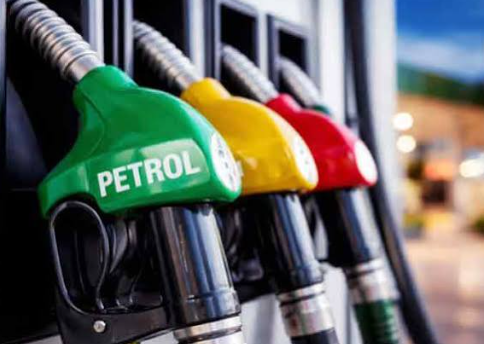
More than 90 percent of businesses in Pakistan say recent fuel price adjustments have hurt their operations, with higher transportation costs emerging as the biggest problem, according to a new survey by the Overseas Investors Chamber of Commerce and Industry (OICCI).
The Business Confidence Survey, conducted during September and October 2026, found that transportation costs affected between 80 and 88 percent of businesses across different sectors.
Companies also reported higher operating expenses, weaker consumer demand, reduced profitability and disruptions to supply chains.
Transportation Costs Put Pressure on Businesses
The impact of fuel price increases comes as businesses are already struggling with inflation, high taxes and expensive energy.
In the same survey, 84 percent of businesses identified rising inflation as a major threat to growth, while 81 percent pointed to high taxation. Load shedding was another concern, reported by 58 percent of respondents.
Higher fuel costs are affecting businesses beyond their direct spending on petrol and diesel. Transportation expenses increase the cost of moving raw materials and finished goods, adding pressure on production costs, distribution expenses and final prices.
The survey also recorded a sharp decline in overall business confidence.
The confidence index fell 36 percentage points, moving from positive 13 percent in the previous survey to negative 23 percent in the latest results.
The OICCI survey covers businesses representing nearly 80 percent of Pakistan’s GDP, with respondents from manufacturing, services, retail and wholesale sectors.
The survey included businesses operating in Karachi, Lahore, Islamabad, Faisalabad and several other metropolitan and non-metropolitan markets.