



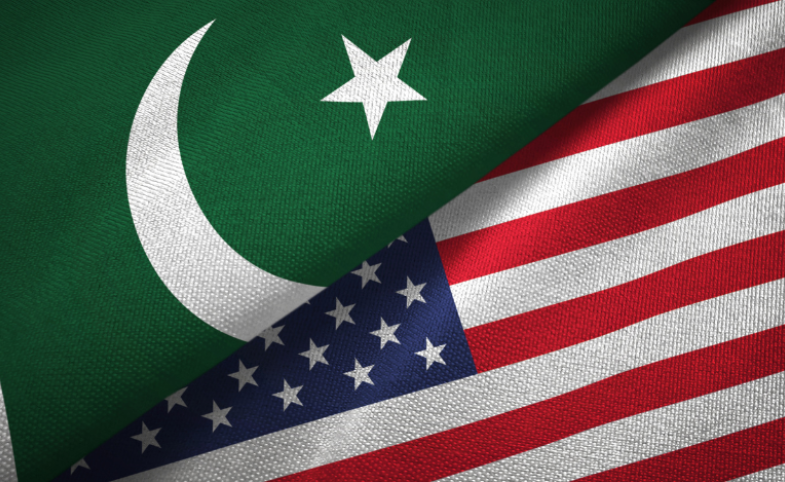
Pakistani exporters have largely played down the immediate impact of a proposed 10 percent US tariff on imports from Pakistan, saying the additional duty is already being absorbed by American buyers and is unlikely to materially change current trade conditions.
The proposed measure was put forward by the Office of the United States Trade Representative (USTR), which has recommended extending the extra 10 percent duty on imports from Pakistan and several other countries, including Bangladesh, Indonesia, Mexico, Taiwan, the United Kingdom, and the European Union.
Exporters said the duty is not a new development. After legal challenges to the broader tariff regime introduced under former President Donald Trump, a temporary 10 percent tariff was imposed on imports from a number of countries, including Pakistan. The latest proposal would effectively continue that arrangement beyond its scheduled expiry on July 24.
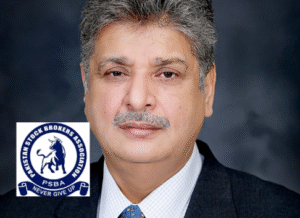
Former Karachi Chamber of Commerce and Industry president Javed Bilwani said Pakistani textile exports already face duties of around 16.5 percent in the US market. With the additional tariff, the total duty burden currently stands at about 26.5 percent. Exporters noted that since these duties are paid by US importers, the proposed extension would not immediately add a new cost for Pakistani exporters.
However, they acknowledged that the higher tariff has already made Pakistani goods more expensive in the US market, which could weigh on competitiveness over time.
Exporters also pointed out that Pakistani manufacturers are already dealing with higher energy tariffs, financing costs, and imported input expenses than many regional competitors, making it harder to compete in international markets.
According to State Bank of Pakistan data, exports to the United States increased slightly to $5.12 billion during July-April FY2025-26, compared with $5 billion in the same period last year. The figures suggest that exports have remained relatively stable despite the current tariff environment.
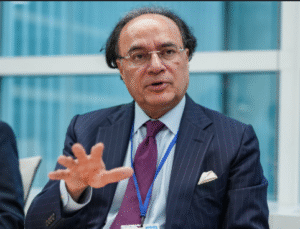
Still, industry representatives warned that the long-term impact could become more serious if the additional duty becomes a permanent part of US trade policy. Textile exporter Amir Aziz said Pakistani products would regain some pricing advantage if the 10 percent tariff is removed later this month, while an extension would further weaken competitiveness against rival exporters with lower production costs.
For now, exporters believe the proposal is unlikely to trigger any major immediate disruption because the duty is already in effect. However, they remain hopeful that the temporary tariff will eventually be withdrawn to improve Pakistan’s position in the US market.